
Adopting and Implementing a Local Migration Management Programme of the City Municipality of Zvezdara for the Period 2025-2028
City Municipality of Zvezdara
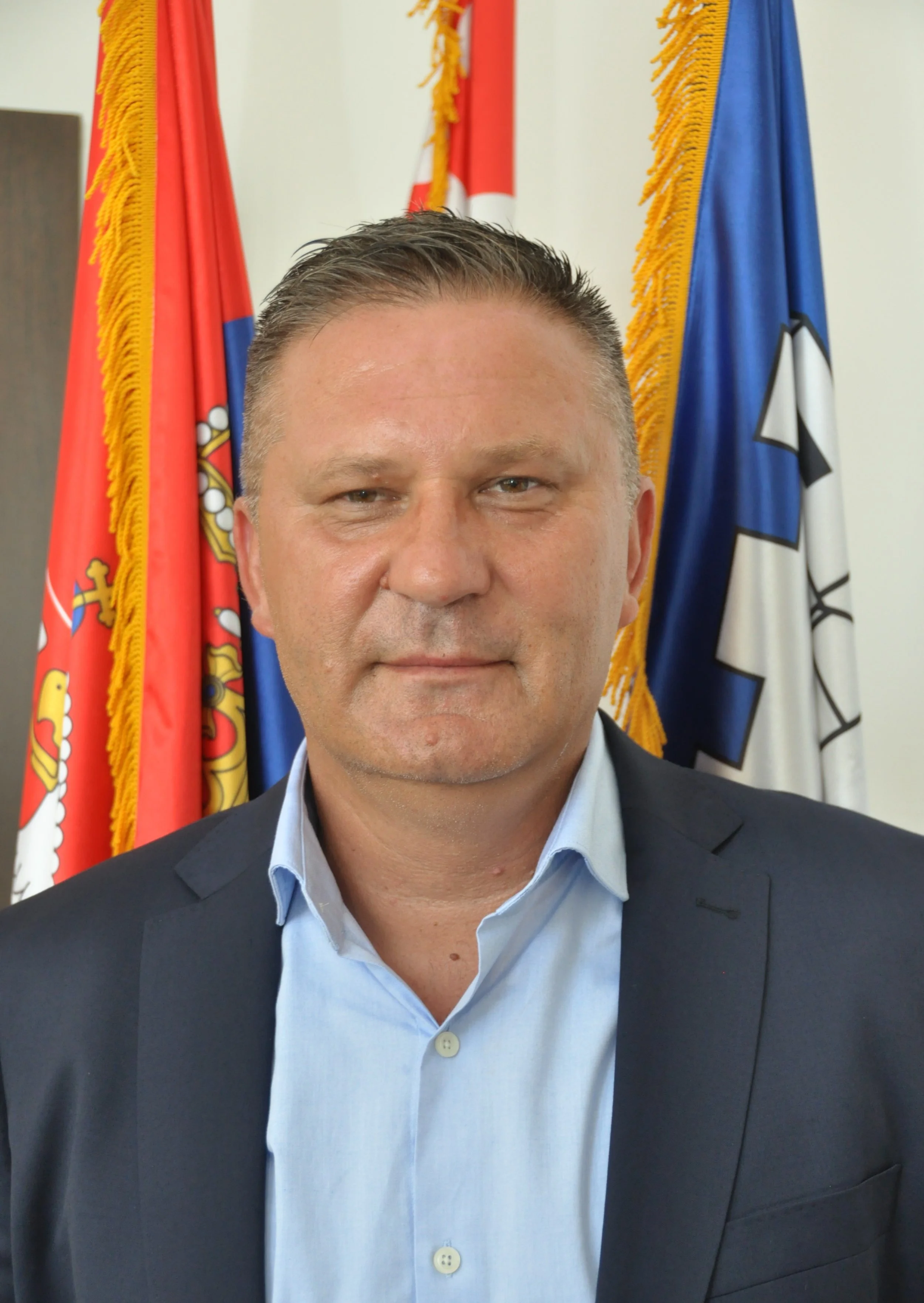
Mayor
Mihailo Dosković
Start of Project
2025
End of Project
2028

Overview
The Municipality of Zvezdara has adopted and commits to implement a comprehensive Local Migration Management Programme for the period 2025–2028. The principal objective of this action is to create conditions for the full social, economic, and legal integration of all categories of migrants, including refugees, internally displaced persons, returnees, foreign citizens, and members of the diaspora.
The Programme provides a strategic framework for coordinated and sustainable responses to migration challenges by fostering cooperation and partnership among local authorities, national institutions, civil society, and migrant communities. It aims to protect the rights and dignity of migrants and refugees, reduce vulnerabilities, address the negative effects of emigration, and promote a gender-responsive and inclusive approach to migration governance. At the same time, it seeks to strengthen cooperation with the diaspora through sustained forms of engagement and leverage migration as a positive driver of local development.
The Programme is grounded in key values: dignity and equality for all individuals regardless of origin or status; integration and active participation of migrants and refugees in community life; sustainability and responsibility through transparent, long-term solutions.
Expected Impact
The action has led to the development and adoption of a comprehensive, evidence-based and gender-responsive Local Migration Management Programme, which represents a significant step forward in strengthening migration governance at the municipal level.
Its implementation is expected to improve living conditions, access to rights and services, and socio-economic inclusion for refugees, internally displaced persons, and returnees under the Readmission Agreement residing in Zvezdara. Particular attention is given to women and other vulnerable groups, contributing to reduced vulnerabilities, enhanced protection, and greater equality in access to housing, employment opportunities, and social services.
The action is also expected to strengthen the active involvement of the diaspora in the municipality’s economic and social development, while supporting the integration of foreigners and newly arrived migrants into the local community. By promoting participation and social cohesion, the Programme fosters a more inclusive and resilient local society.
At the institutional level, the Programme enhances inter-institutional coordination and capacity-building in migration governance. Improved cooperation between local and national authorities, as well as structured collaboration with civil society organizations, is expected to result in more efficient service delivery and better-aligned policy responses.
Overall, the action contributes to the implementation of key Global Compact for Migration (GCM) objectives, including evidence-based policymaking (Objective 1), reducing vulnerabilities (7), fostering inclusion and social cohesion (16), eliminating discrimination (17), enhancing diaspora contributions to sustainable development (19), and supporting return, readmission, and sustainable reintegration (21). It also contributes to key Global Compact for Refugees (GCR) focus areas, including protection capacity and jobs and livelihoods solutions. Finally, it supports Sustainable Development Goal 10.7 by promoting orderly, safe, regular, and responsible migration through well-managed migration policies.
Lessons Learned
Several important lessons have already emerged from the development phase of the Migration Management Program.
Positive lessons learned include the value of a transparent and participatory policy-making process. The Program was developed through inclusive consultations with local authorities, relevant national institutions, civil society organizations, and diaspora representatives, ensuring that the perspectives and needs of target groups were integrated from the outset. This approach strengthened ownership, relevance, and institutional commitment to the Program.
A key success factor was the preparation of the Local Migration Profile, which included general demographic information, information on the local migration characteristics, key drivers for migration, relevant legal framework and research on diaspora cooperation potential. This provided the evidence base, allowing policy objectives and measures tailored to the municipality’s specific migration context. Early budgeting of the Program, with a total allocation of EUR 170,000 proved essential for feasibility and accountability, enabling realistic planning and clearer implementation pathways.
Another positive lesson was the systematic integration of gender mainstreaming. Targeted capacity-building for local actors on the gender–migration nexus contributed to the development of a genuinely gender-responsive policy framework.
Further lessons are expected to emerge during the three-year implementation period, especially regarding multi-stakeholder cooperation, beneficiary feedback, and the adaptability of measures in response to evolving migration dynamics. Continuous monitoring and learning will therefore be essential to maximize the Program’s long-term impact.
Priority Objectives

Protecting those most vulnerable

Providing access to urban infrastructure, social services and education regardless of status

Realizing socio-economic inclusion
“Our vision is to create inclusive, solidary, and sustainable local community where all individuals affected by migration have equal opportunities for a decent life, comprehensive social and economic integration, gender-responsive access to rights and services, and active participation in social life.”