
Bogotá’s Casa de Todas: A Regional Initiative to Safeguard the Rights of Migrant Women Engaged in Paid Sexual Work
Bogotá
Mayor
Carlos Fernando Galán
Start of Project
2024
End of Project
Ongoing

Overview
The Bogotá District Secretariat for Women has been developing the “Casa de Todas” strategy as a unique initiative in the country aimed at guaranteeing the rights and access to comprehensive services for women engaged in paid sexual work, with a special emphasis on those in contexts of human mobility, including migrant and refugee women.
In this regard, this strategy recognizes the conditions of vulnerability faced by these women, stemming from the intersection of gender, migration, and socioeconomic exclusion. Based on this, it offers comprehensive care that includes psychosocial support, socio-legal guidance, and social work to facilitate access to institutional services, seeking to guarantee women’s rights and ensure their care in safe, stigma-free environments.
“Casa de Todas” strategy has a physical location and is also implementing a mobile service that brings institutional support directly to where women are, facilitating and ensuring effective access to care pathways and helping to reduce institutional barriers. The development of guidelines for the proper operation of the mobile unit is being carried out in coordination with institutional actors and international cooperation partners, such as GIZ, with the aim of establishing a differentiated care model that recognizes the diverse contexts in which sexual and reproductive health services are provided and contributes to the effective protection of this population’s rights.
Expected Impact
The implementation of this strategy helps reduce barriers to accessing institutional services for migrant women and women in situations of human mobility who engage in paid sexual work, thereby improving their living conditions and strengthening their autonomy. This is achieved, in particular, through territorial strategies and a mobile outreach strategy, which expand coverage and ensure effective access to services and care pathways.
Likewise, the aim is to continue strengthening institutional capacity to provide specialized care with a gender- and intersectional- focused approach, as well as to enhance coordination among public actors, international partners, and civil society.
The initiative also aims to help reduce violence and discriminatory practices by promoting safer and more inclusive environments. In the medium term, the care model is expected to generate lessons that can be replicated in other urban contexts, helping to position Bogotá as a leader in the implementation of inclusive local policies on migration and gender, and in providing specialized care for women who engage in sex work, recognizing their specific protection needs.
Throughout this process, it became clear that sex work takes place in a variety of contexts, and therefore it is not possible to address each area with a single service model. In this regard, on-site care models, service fairs, outreach tours, and work in webcam studios were developed. Additionally, guidelines were established to ensure the protection of women as well as the teams conducting field activities, guaranteeing clear protocols for action to prevent harmful practices.
Priority Objectives

Protecting those most vulnerable

Realizing socio-economic inclusion

Eliminating all forms of discrimination and promoting evidence-based public discourse
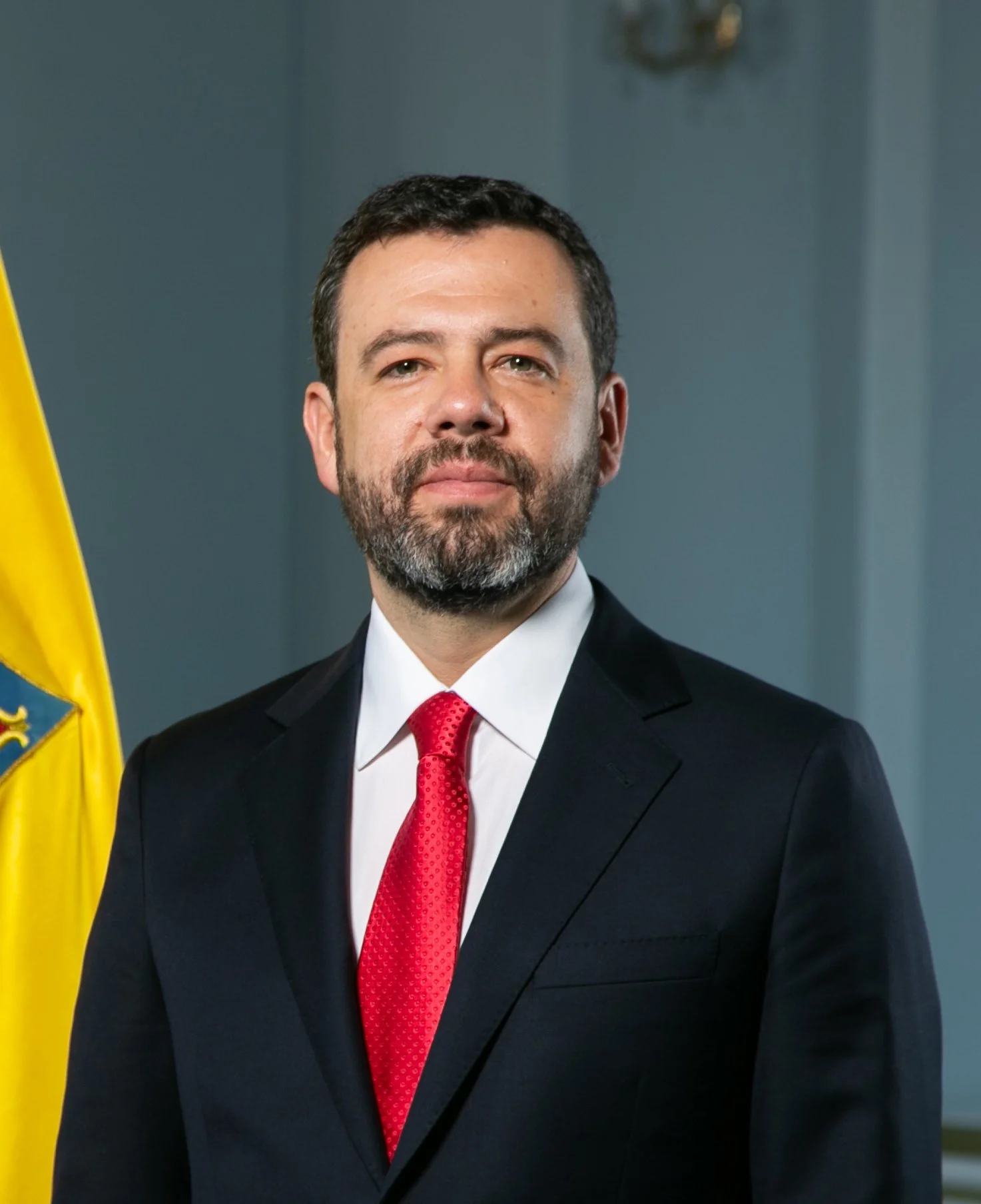
“Cities are where migration becomes real. National governments shape rules, international actors shape incentives, but cities deliver the services, hold communities together, and manage the consequences when systems fail. Bogotá is committed to building systems, not temporary fixes. Integration is not a weakness. Integration is governance.”