
Strengthening Coordination and Collective Perspective for Refugee Response in West Nile Region, Uganda
West Nile Development Association (WENDA)
Start of Project
02/04/2024
End of Project
12/31/2026
Overview
The West Nile Development Association (WENDA), is a regional Local Government Association, aims to foster peace, sustainable development, inclusive growth, and unified voices towards regional development issues, including refugee response.
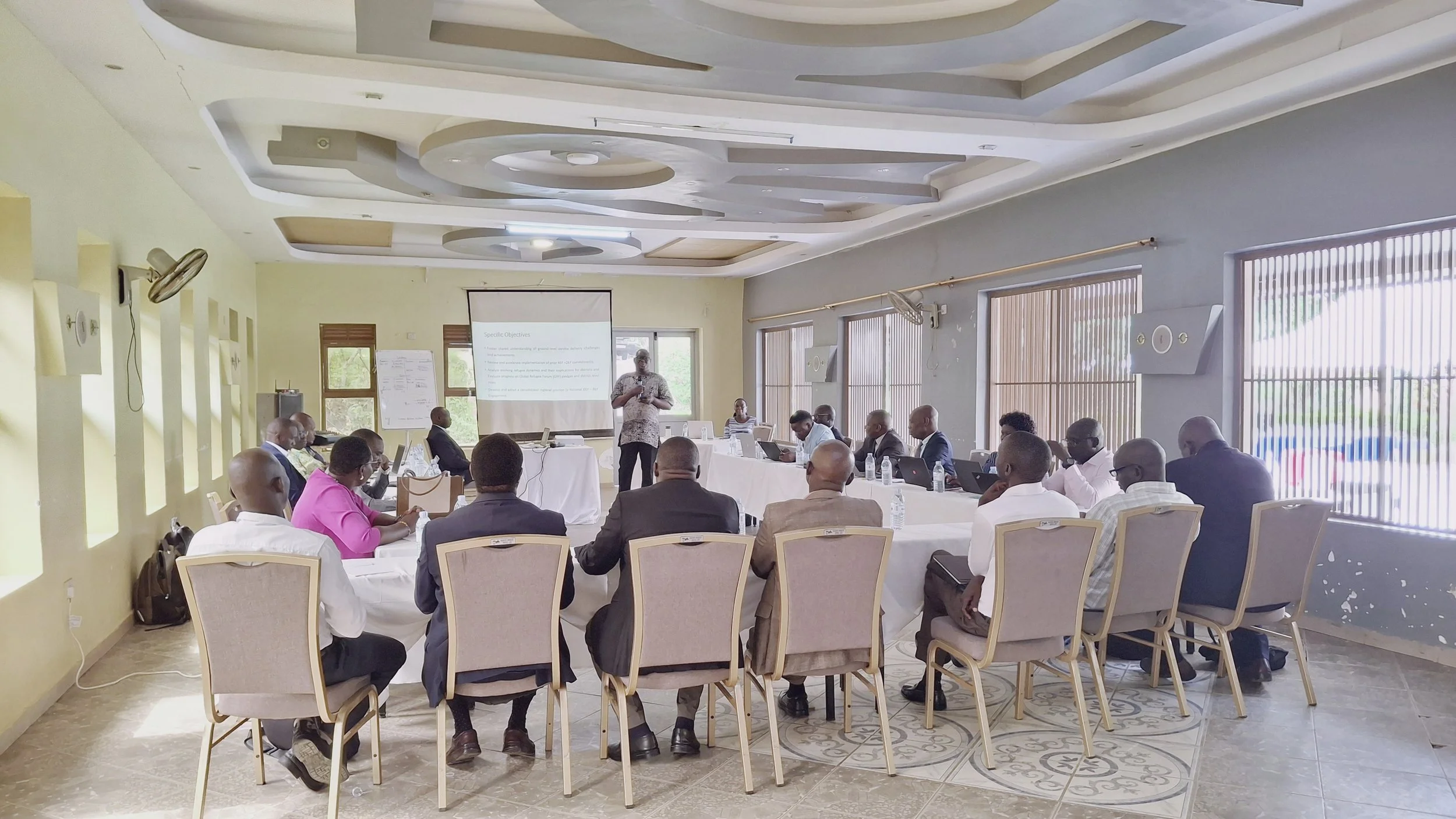
In partnership with VNG International, WENDA is committed to strengthening governance and management of over 800,000 thousand refugees in the region through the operationalization of the West Nile Regional Engagement Forum (WN-REF).
The aim of the WN-REF is to improve coordination, advocacy, accountability, and policy coherence among member local governments. Additionally, WN-REF allows local governments to consolidate regional concerns for engagement with national-level entities such as the Comprehensive Refugee Response Framework (CRRF) Steering Group, the Refugee Engagement Forum (REF), and the District Engagement Forum (DEF). The WN-REF further strengthens inclusive dialogue, enabling coordinated monitoring, feedback, and implementation of refugee response actions across the region amidst the urgency of advancing durable solutions in the context of continued refugee arrivals, shrinking resource envelopes, weak coordination between national and local level actors, withdrawal of key partners, and increased movement of refugees from gazetted settlements to urban centres, which intensifies pressure on already overstretched social services and local systems.
Expected and Achieved Impact
This action is expected to:
Strengthen coordination by bridging gaps between local governments in the region, policymakers, partners, and communities and allowing local governments to harmonize and escalate refugee management concerns to relevant authorities.
Foster local-government knowledge management by sharing information and best practices on sustainable approaches towards refugee response in the region as well as tracking progress towards local/regional pledges and commitments.
Enhance lobbying and advocacy efforts by consolidating regional refugee statistics and forming a strong evidence base for negotiating equitable resource allocations, supplementary grants, and inclusive policies from the central government, national, and multi-national partners.
Achieved Impact:
Across four WN-REFs, refugee-hosting local governments shared information and best practices adopted for better refugee management, tracked pledges and established alignment between national commitments and local realities, and enhanced linkages between national and regional actors.
WENDA implemented key WN-REF recommendations and has tracked and documented progress on District and Refugee Engagement Forum pledges under the 2023 Global Refugee Forum, to facilitate peer learning and experience sharing among local governments and refugee structures, and identified challenges and adaptive approaches.
WENDA produced an issue paper for the 8th District Engagement Forum and CRRF Steering Group, advancing priorities on financing, staffing, transition frameworks, infrastructure, and inclusive urban policy. The District Engagement Forum adopted these priorities, directly influencing national discussions and prompting a formal call for targeted wage bill support and supplementary grants for refugee-hosting local governments.
Political and technical leaders have increased their participation in the Regional Engagement Fora. This has helped elevate regional priorities to the national level, including environmental issues, and had them formally presented by the West Nile Parliamentary Caucus to the Parliamentary Committee on Natural Resources and Environment. In April 2025, a joint memorandum to the President of Uganda further highlighted key priorities, including refugee response, infrastructure, and education
Lessons Learned
Regional consolidation strengthens national influence: Presenting a unified regional perspective on refugee management has improved recognition of West Nile’s unique context, enabling more inclusive, evidence-based national decisions and shifting from fragmented district-level advocacy to coordinated regional priorities.
Localization is critical for sustainable response: Effective refugee response requires shared responsibility, with local governments playing a central role in driving coordination, service delivery, and the transition of refugee-targeted interventions into sustainable local systems alongside national and international partners
Priority Objectives

Improving migration governance and forced displacement protection

Providing access to urban infrastructure, social services and education regardless of status

Engaging in regional and multilateral partnerships and increasing city-to-city cooperation