
Labour Pathways: Leveraging Policies to Fill Critical Employment Needs in Turin - "Labour Pathways: from Project to Process"
City of Turin
Mayor
Stefano Lo Russo
Start of Project
12/01/2025
End of Project
11/30/2027
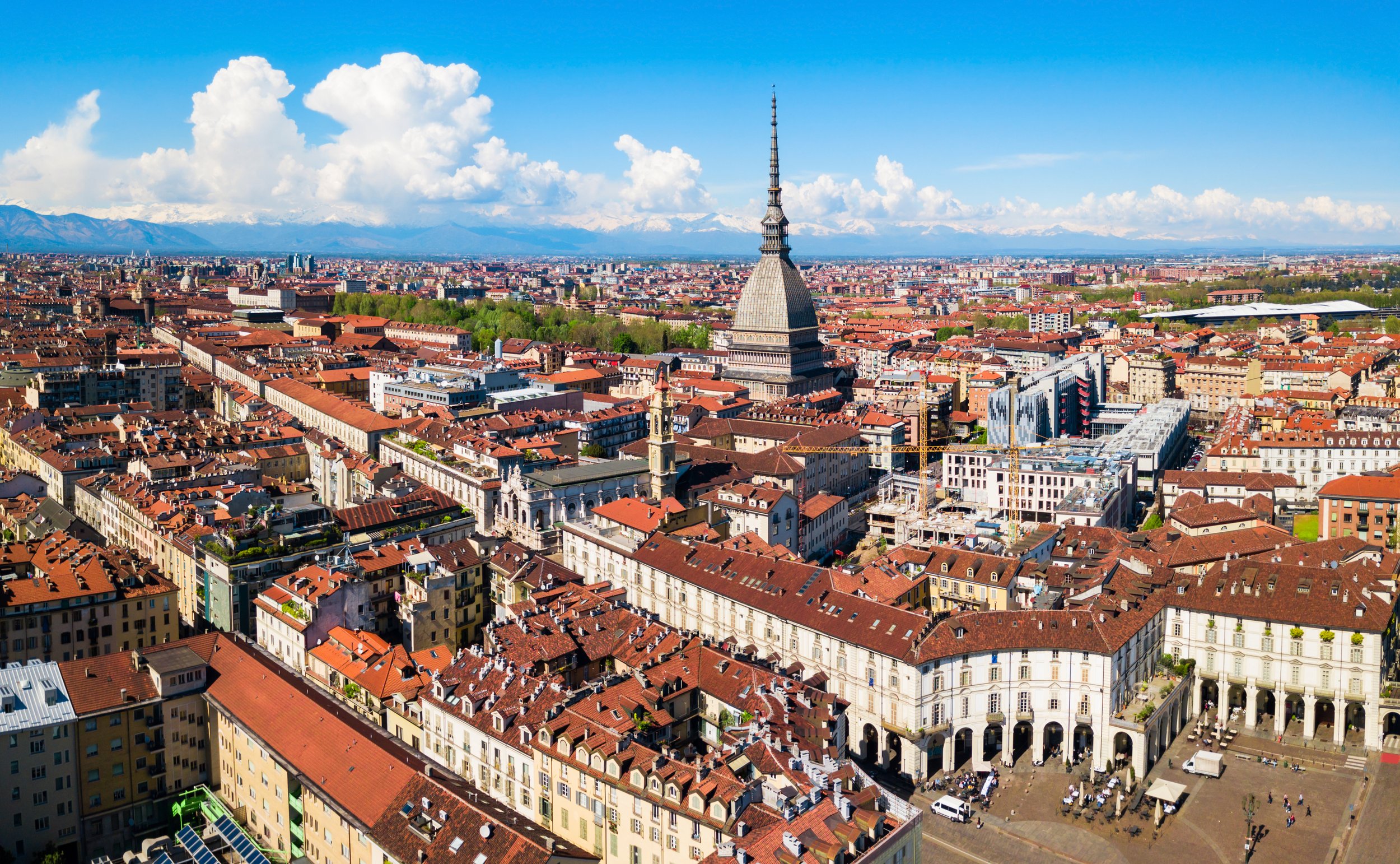
Photo: saiko3p/Shutterstock
Overview
In 2025, the City of Turin, Italy, committed to improving local policies on the integration of migrants to create formal labour pathways enabling refugees from Africa and/or South America to relocate to Italy and fill critical labour shortages. The City of Turin will partner with the private sector and relevant stakeholders to identify job opportunities and provide new hires with pre-departure training, language courses, and access to social services, thereby supporting their successful integration while piloting an innovative approach to city-to-city pathways. The ultimate aim of Turin’s initiative – starting with labour pathways targeting refugees in Uganda – is to systematize safe and regular labour mobility corridors and institutionalize cross-border training and employment pathways with cities in Africa and South America through city-led initiatives and commitments. The project “Labour Pathways: From Projects to Process” is supported by the Global Cities Fund for Migrants and Refugees (GCF), an instrument of the Mayors Migration Council that channels international funding directly to cities to implement inclusive, locally designed projects.
Expected Impact
Medium-term impact: The project aims to test an innovative model of labour mobility corridors fully integrated into the governance of the City of Turin and the local system, allowing:
Clients (migrants and refugees) to access safe migration channels based on the recognition of their skills and empowerment; to obtain dignified, sustainable, and meaningful livelihood opportunities—benefiting both migrants, refugees, and internally displaced persons, and the productive sectors that receive them. Beneficiaries will also contribute to refining the model through structured bilateral dialogue with the City to express their specific needs and assess the corridor’s responsiveness.
The City and local stakeholders to gain critical insights and strengthen their administrative and coordination systems, supporting the design and implementation of labour mobility pathways as part of decentralized cooperation between municipalities.
Long-term vision: The project aims to strengthen the capacity of both local and national levels to design and implement holistic migration policies—policies that are interconnected with economic cooperation and development, employment, training, and the overall well-being of communities. These policies should be capable of promoting the sustainable development of both origin and destination territories. This will be achieved by leveraging the catalytic role of local authorities, in synergy with the broader public-private "Turin System" and their counterparts in countries of origin.
Priority Objectives

Realizing socio-economic inclusion

Supporting reception and advancing community sponsorship initiatives

Engaging in regional and multilateral partnerships and increasing city-to-city cooperation

“The Global Cities Fund for Migrants and Refugees” allows us to go even further by piloting a city-led labor mobility pathway that matches job seekers in Uganda with critical workforce needs in Italy.”