
Digital Identification and Certification Ecosystem for Responsible Employment for the Migrant Population in Santiago de Cali
Santiago de Cali
Mayor
Alejandro Eder Garcés
Start of Project
2025
End of Project
11/30/2027
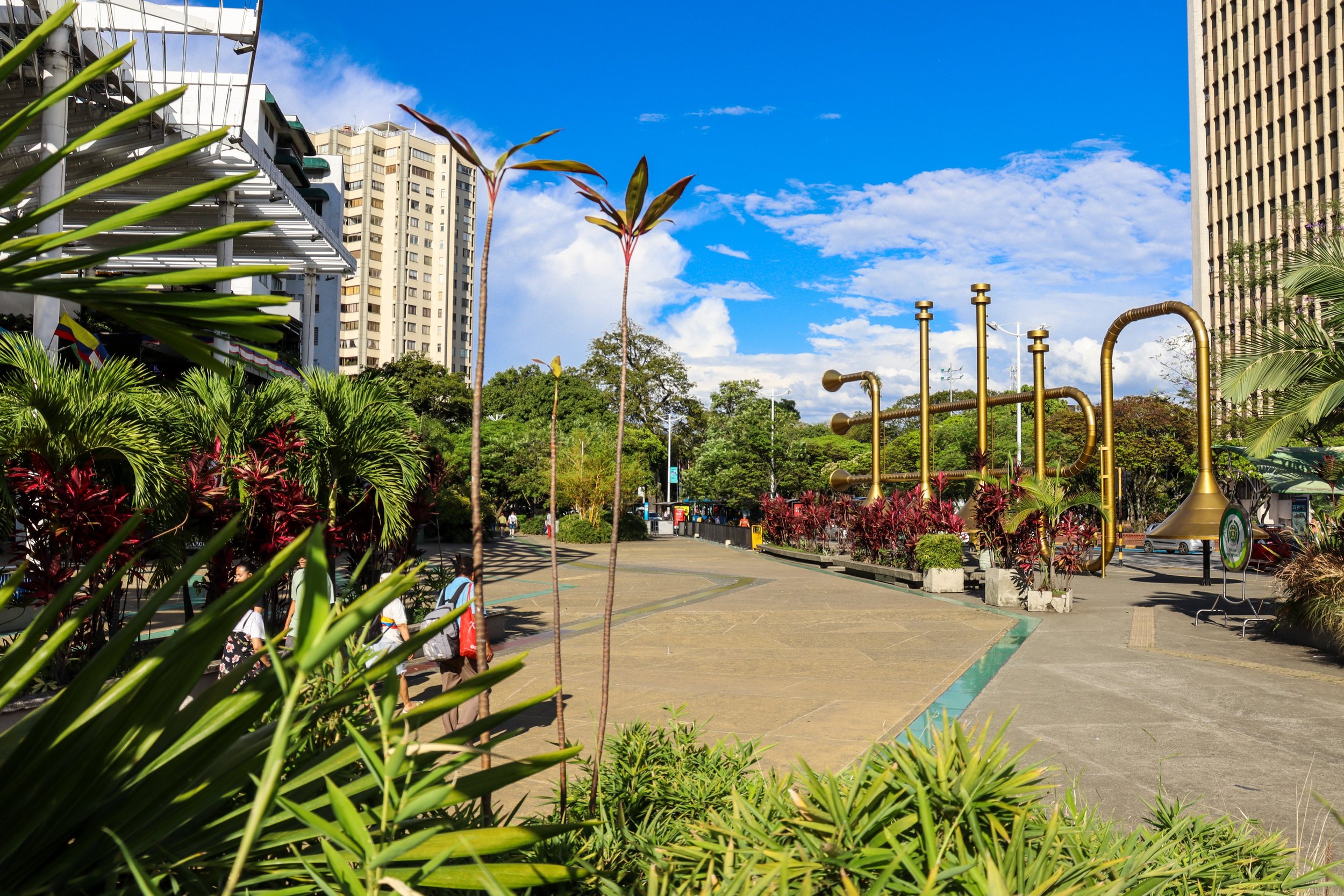
Photo: Anamaria Mejia/Shutterst
Overview
In 2025, Santiago de Cali committed to creating a digital employment system for refugees, migrants, returnees, and host communities. The city is home to more than 130,000 refugees and migrants who face significant challenges in generating income and securing livelihoods. This system verifies credentials and skills and directly connects participants with employers and jobs. Using open-source technology, the project will create a new model of economic inclusion ready to be scaled across Colombia or replicated in other countries. The main objectives of this project are as follows:
Migrants, returnees, and vulnerable youth achieve long-term self-sufficiency and economic stability through the IDCs.
Employers and educational institutions adopt and implement inclusive hiring and admission practices that strengthen the workforce.
The development of community and entrepreneurial capacities for labour integration.
The design and implementation of a business plan for income-generating digital infrastructure and services.
As a member city of the Mayors of the Americas Coalition on Migration, the Santiago de Cali District project is supported by the Mayors Migration Council’s Global Cities Fund for Migrants and Refugees.
Expected Impact
By the end of 2026, more than 30,000 people—including migrants, refugees, returnees, victims of conflict, and vulnerable youth—are expected to have an interoperable digital identity and at least one immutable digital credential (IDC) issued by a public agency, an educational institution, or an employer. These credentials will reliably demonstrate their experience, training, skills, and participation in social programs, and overcome barriers such as informal documentation, lack of local recognition of credentials, and institutional biases.
The project will create a reliable pathway to employability and access to services, in which IDCs will be recognized by public employment agencies, private companies, technology platforms, and social programs. This will facilitate access to decent jobs, continuing education, and more efficient public policies based on verifiable data and individual traceability.
The use of open-source standards and blockchain technology ensures the portability of credentials and their potential for cross-border recognition. This technical capability opens new avenues for legal worker migration, recognizing migrants’ skills in both national and international contexts.
From a social perspective, the project will strengthen community leadership and encourage the active participation of at least 1,000 people, including migrants, refugees, returnees, and host communities. Through training, regional coordination, and institutional engagement, the project aims to build an equitable and sustainable relationship between the government, the international cooperation sector, and community organizations.
To promote access to employment and opportunities, 50 companies will be recognized with the Inclusive Company Seal, committing to hiring migrants and vulnerable populations. Additionally, 50 entrepreneurship initiatives will be strengthened through training, mentoring, and connections to support networks, and 20 community leadership groups will be organized to promote participation and social cohesion in the regions.
Overall, the project will transform access to employment, education, and social services in Cali and lay the groundwork for a digital public infrastructure that can be replicated in other Latin American cities, thereby positioning Cali as a model of technological and social inclusion based on dignity, empowerment, and safe human mobility.
Priority Objectives

Improving migration governance and forced displacement protection

Providing access to urban infrastructure, social services and education regardless of status

Realizing socio-economic inclusion
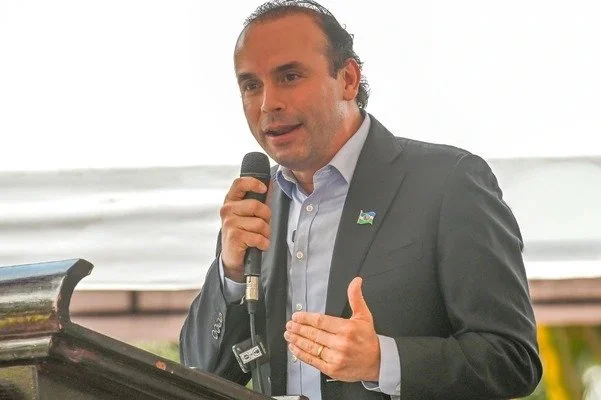
“We believe that migration is a transformative force, and we are committed to turning it into tangible progress through economic inclusion and social cohesion. Cities like ours are ready to lead and implement innovative solutions that inspire regional action.”