
From Waste to Wealth: Migrants and Refugees Powering the Green Economy in Koboko
Municipality of Koboko
Mayor
Wilson Sanya
Start of Project
2025
End of Project
Ongoing
Overview
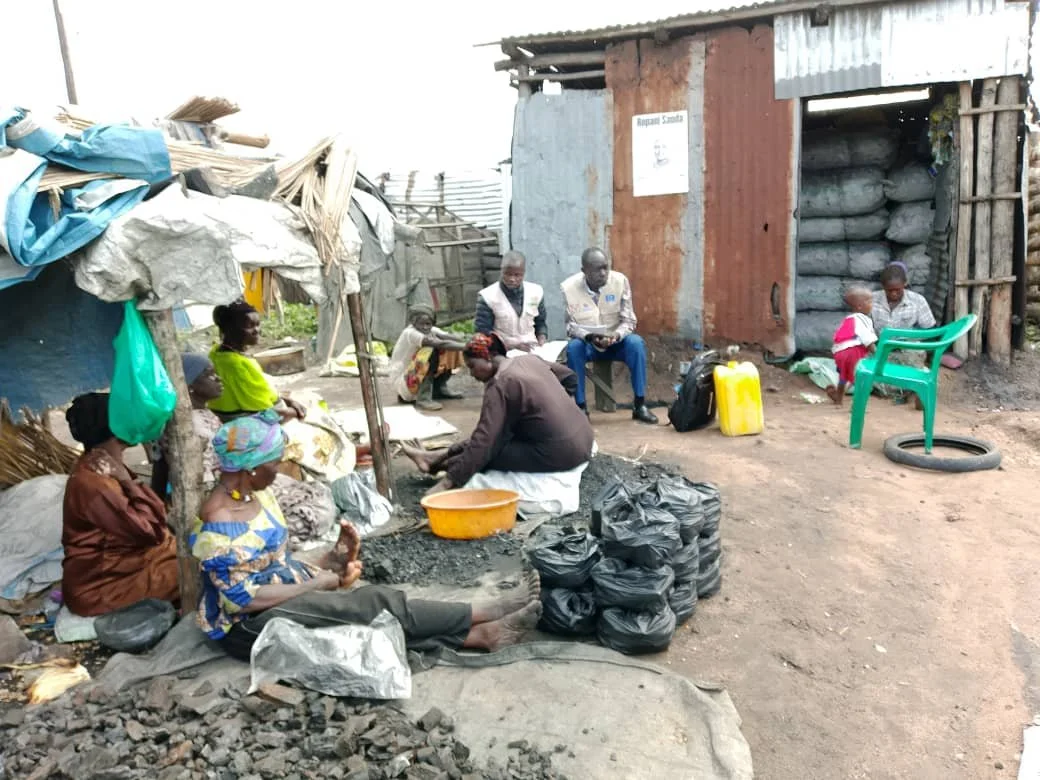
The Municipality of Koboko, Uganda, pledges to create green jobs for migrant and refugee women and youth to produce and sell alternative energy and recycled products, through briquette making, composting, and clean energy kiosks.
Among the main challenges the city government faces are inadequate solid waste management, environmental degradation, and limited employment opportunities for refugees and locals alike. Indeed, 80 percent of Koboko’s migrants and refugees struggle to find income-generating livelihoods, while 99 percent of all residents rely on non-renewable fuels for daily activities, polluting the environment and creating public health hazards. In response to these challenges, the project powers a circular economy, reduces pollution, and expands access to sustainable livelihoods in displacement-affected communities.
This project is supported by the Global Cities Fund for Migrants and Refugees (GCF), the Mayors Migration Council’s instrument to channel international funding directly to cities to implement inclusive projects of their own design.
Expected Impact
In the short run, young people, women, and displacement-affected communities will be empowered to accelerate and lead climate actions in Koboko Municipality through green skilling, strengthening access to jobs, and gainful employment for sustainable livelihoods. In the long term, there will be increased use of climate-smart technologies and alternative solutions, such as fuel-efficient stoves and briquettes, to reduce dependence on charcoal and firewood and the destruction of the environment during the project period and beyond in Koboko Municipality and Keri Town Council. In addition, eco-friendly waste management practices will be adopted at the household and community levels, as well as the enhancement of agricultural production and productivity through the use of locally generated compost manure from the waste.
The project will quantitatively impact the lives of 1,000 households. A total of 60 youth and women from both the refugee and host communities will serve as ToTs in areas such as machine operation, briquette making, paper bag branding, and packaging. Additionally, 60 youth and women from these communities will engage in plastic waste collection and management. Two hundred refugee youth and women will benefit from organic manure, urban farming, and climate-smart agricultural practices. Moreover, 80 youth and women will profit from selling briquettes and fuel-efficient stoves in two eco-friendly energy kiosks. Additionally, three hundred women and young people will benefit from village savings and loan groups aimed at promoting sustainable, renewable energy.
Awareness sessions on green skills and alternative energy technologies have reached 13000 refugees, migrants, and members of the host community. Lastly, commemoration of international days, community barazas, market symposiums and showcase days will engage refugees, migrants, and members of the host community.
Priority Objectives

Minimizing drivers of forced displacement, including climate change and environmental drivers

Protecting those most vulnerable

Realizing socio-economic inclusion
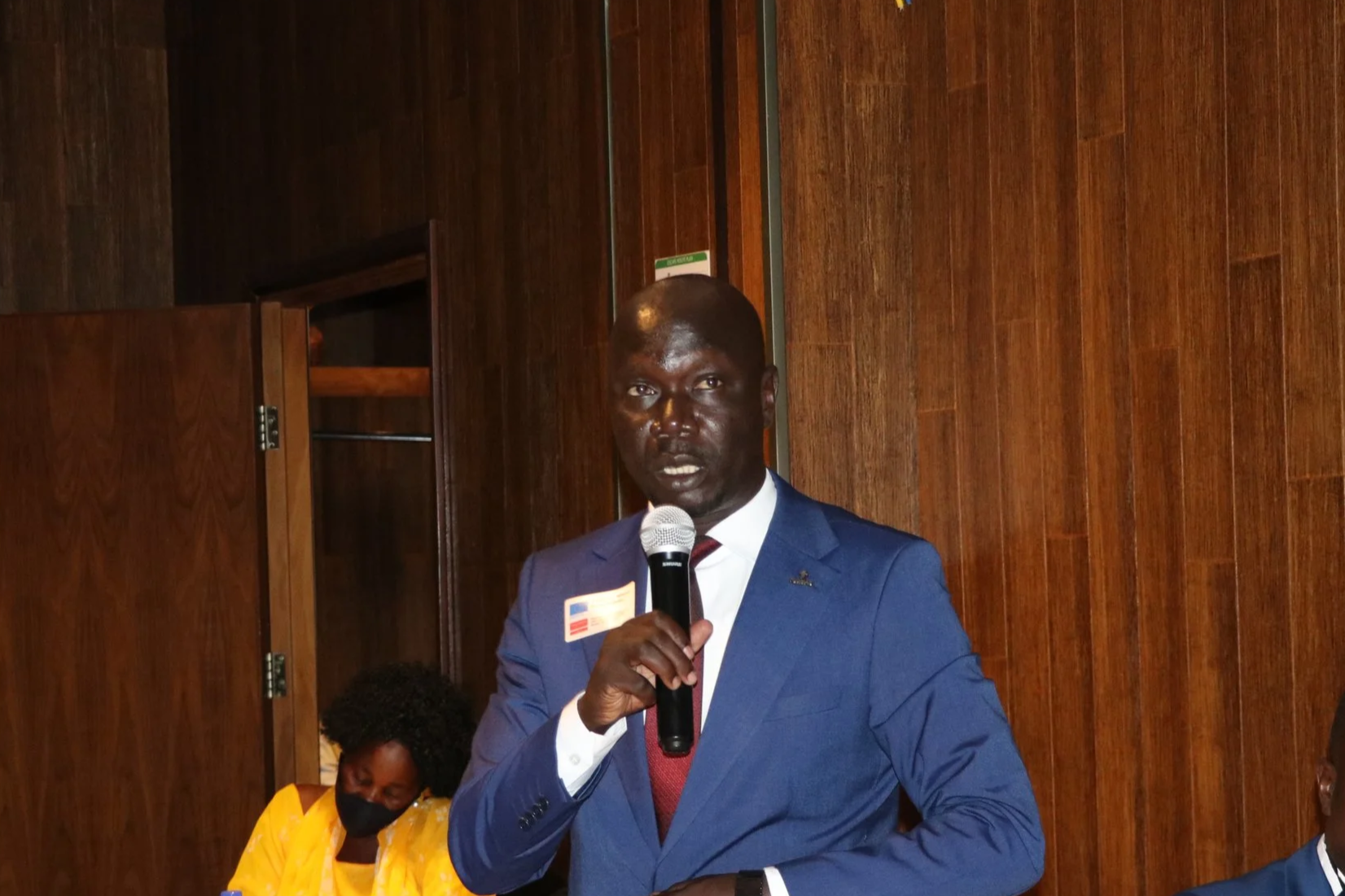
“We will turn environmental challenges into livelihoods for young people, women, and displacement-affected communities.”