
Incubating Businesses through Kanifing's Migrant Resilience Hub
Municipality of Kanifing
Mayor
Talib Ahmed Bensouda
Start of Project
2025
End of Project
Ongoing

“Serekunda/Kanifing Pipeline mosque 2025 3A” by Map master B, CC BY-SA 4.0
Overview
The Municipality of Kanifing, the Gambia, pledges to establish a business incubator for migrant entrepreneurs, primarily women and youth, in high-growth sectors like tourism.
Most migrants and returnees in Kanifing come from low-income backgrounds and face significant barriers to economic inclusion, including stigma, psychological trauma, and high levels of debt. The business incubator hub will offer training, startup capital, and wraparound social services—including childcare—to foster long-term economic participation. Participants will receive tailored business training, access to seed funding and zero-interest loans, and structured market access through festivals, vendor spaces, and digital platforms.
This project is supported by the Global Cities Fund for Migrants and Refugees (GCF), the Mayor Migration Council’s instrument to channel international funding directly to cities to implement inclusive projects of their own design.
Expected Impact
By the end of the grant period, the Kanifing Migrant Resilience Hub will have demonstrated that migrant returnees and potential migrants – particularly women – can become active and resilient contributors to Kanifing's economy, when supported with a holistic, inclusive and gender-sensitive model.
We aim to support at least 40 migrant returnees or potential migrants across 2 years, of whom at least 60% will be women, to complete the incubation program and launch financially sustainable businesses, with year-round revenue potential. Participants will receive tailored business training, access to seed funding and zero-interest loans, and structured market access through festivals, vendor spaces, and digital platforms.
Through the project’s integrated psychosocial counselling, participants will build confidence, and begin their journey of navigating trauma and overcoming stigma – laying the emotional foundation for long-term reintegration.
The project will also deliver significant impact for participants' young children. Through the on-site childcare and early childhood development support offered at the incubator, children aged 9 months-4 years will receive play-based learning focused on early literacy and cognitive growth in local languages.
We aim to support at least 24 children across 2 years through this component, and also partner with education organizations to ensure a pathway to formal education beyond the project duration, reinforcing a two-generational approach which supports both the caregiver and the child.
In parallel, we also aim to shift community attitudes around returnee integration in the economy and the society – particularly for women – by involving family and community stakeholders throughout the program. We expect to see increased community acceptance and support for women-owned businesses, and a more inclusive local economy.
Collectively, these outcomes will not only support returnees and potential migrants, but also strengthen Kanifing's broader economy – creating a replicable model of inclusive, family-centred development. Through the two-generational, gender-responsive approach, our project lays the groundwork for long-term economic resilience.
Priority Objectives

Minimizing drivers of forced displacement, including climate change and environmental drivers

Protecting those most vulnerable

Realizing socio-economic inclusion
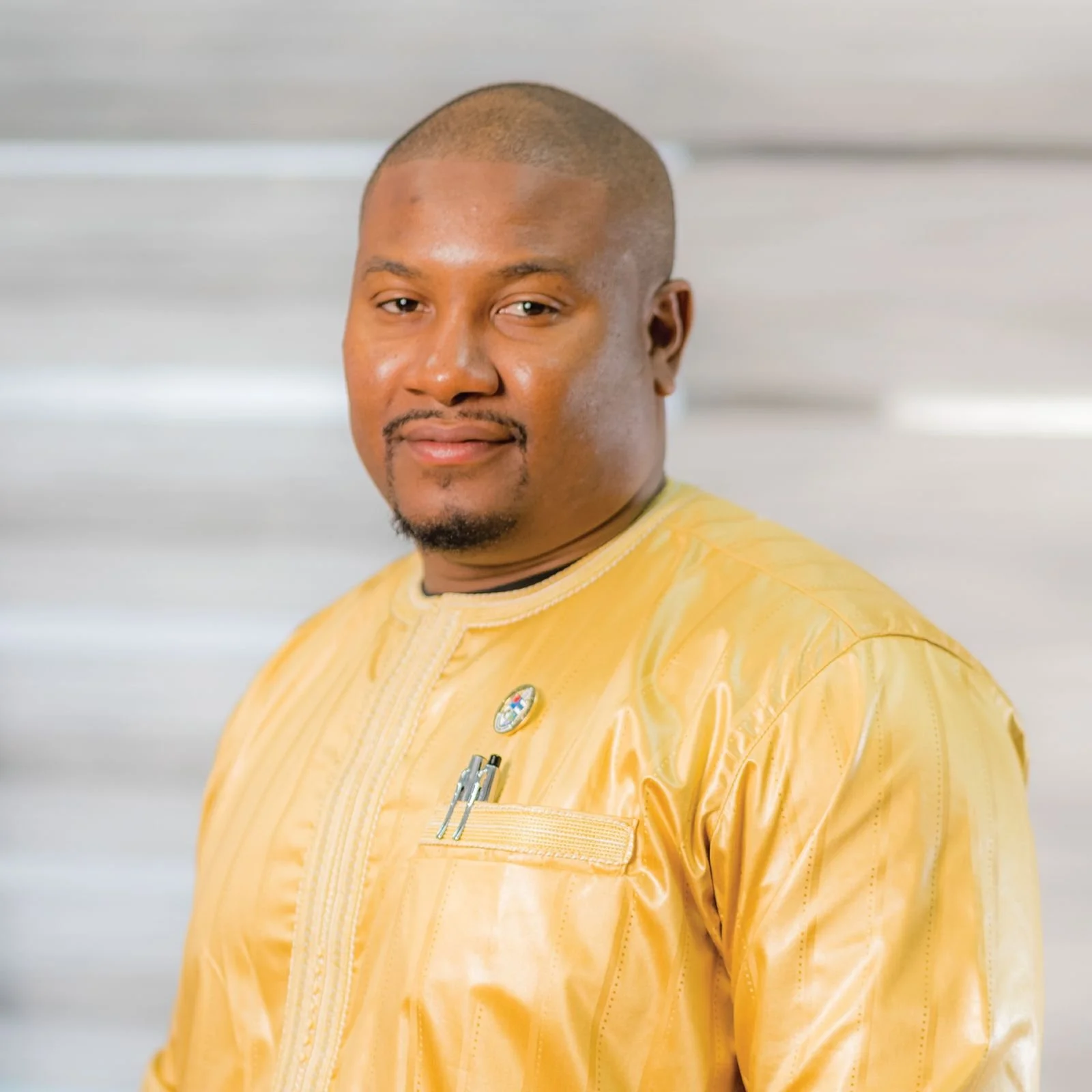
“We are investing in the talent of our young people to transform migration into a choice, not a necessity.”