
Implementation of Pueblo Cañari’s Human Mobility Plan
Mancomunidad del Pueblo Cañari
Representative
Segundo Felipe Yugsi Tenelema
Start of Project
2024
End of Project
2033
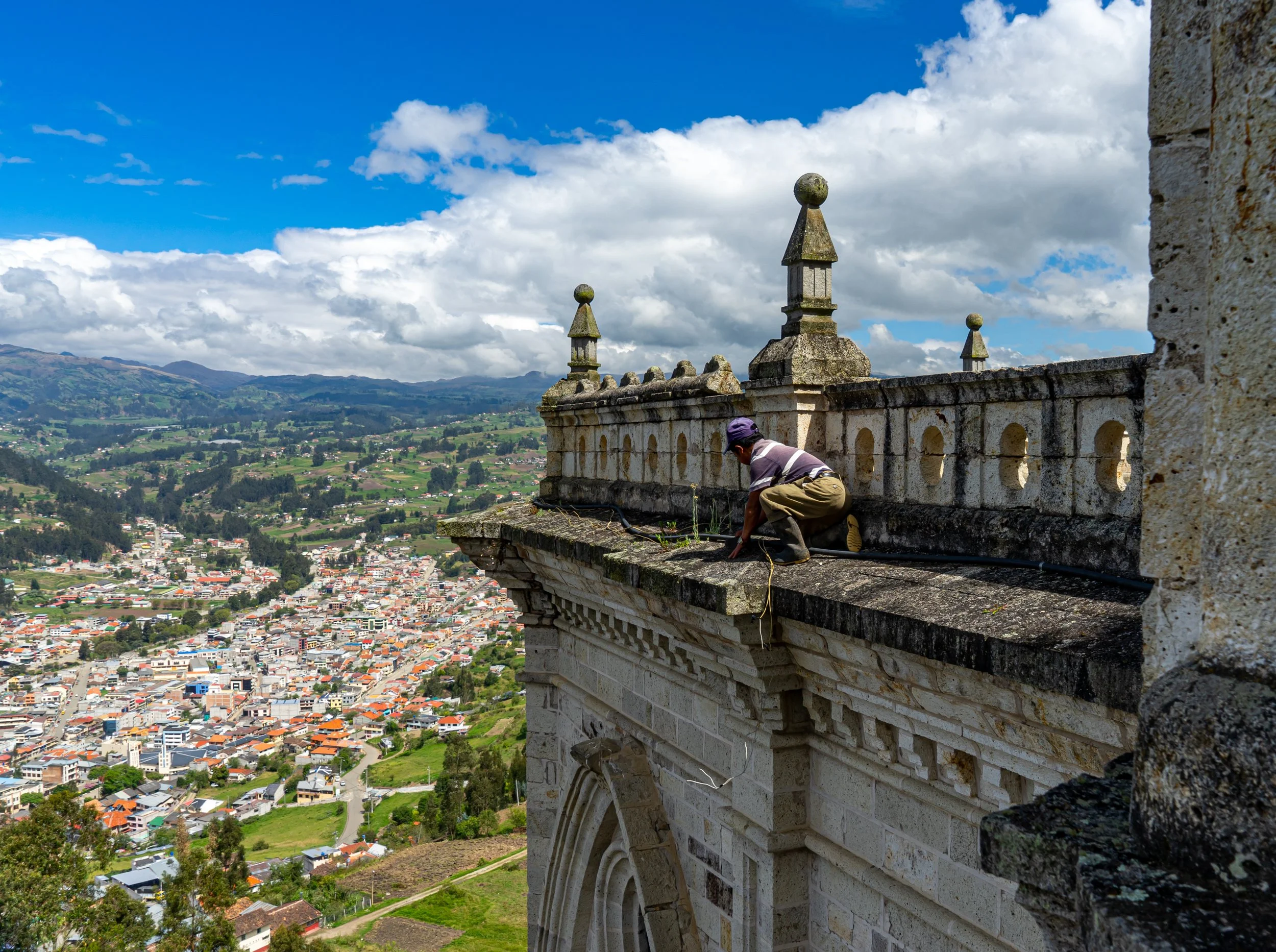
Photo: Angela Meier/Shutterstock
Overview
Mancomunidad del Pueblo Cañari (comprising the cantons of Biblián, Cañar, El Tambo, and Suscal) is implementing its Human Mobility Plan, which addresses the migration situation in the province of Cañar and seeks to incorporate gender, intercultural, and rural perspectives.
The Plan serves as a roadmap that brings together cantonal decentralized autonomous governments (GADs), communities, the diaspora, and national actors to prevent risky emigration, protect rights, create opportunities in the territories of origin, and strengthen the transnational ties of the Cañari People.
The plan consists of three development pillars:
Human Rights, Prevention, and Protection: They commit to strengthening the local protection system, in partnership with the State, families, and society, to provide comprehensive protection for citizens at risk and in vulnerable situations.
Development, Economic Opportunities, and Territorial Roots: The GADs will promote programmes that generate economic opportunities fostering decent employment, bio-enterprises, and the sustainable use of natural resources.
Transnational Communities, the Cañari Diaspora as an Agent of Development: The plan recognizes the diaspora as an active part of the Cañari People and commits to creating conditions for the formation of Transnational Migrant Councils. Through social participation, Advisory Councils were formed, comprising advisory bodies responsible for consultation and the promotion of local public policies.
Expected Impact
The local governments that make up the Association of Cañari Towns, in order to address the issues and challenges posed by emigration in their cantons, developed the Cañari People’s Human Mobility Plan through a participatory process in coordination with government agencies, civil society, and international cooperation organizations. It is a tool that addresses the reality of migration in the province of Cañar; it outlines a path for joint work among various decentralized autonomous governments, local and national actors, and international cooperation to prevent risky emigration, protect human rights, create opportunities in the territories of origin, and strengthen transnational ties. It mainstreams approaches—gender, interculturality, and rurality—to promote and develop opportunities within their territorial context, as well as to provide care and protection for their families.
Key Areas and Lines of Action:
Human Rights—Prevention and Protection. The GADs commit to strengthening and consolidating local human rights protection systems to ensure that people on the move and their families in situations of risk and vulnerability can enjoy and exercise their rights; through preventive actions, care, protection, and the restoration of the rights of children and adolescents, women, youth, returning and deported migrants, and older adults, with services including information, support, referral, and inter-institutional coordination.
Development – Economic Opportunities and Territorial Roots. Promote programs that generate local economic opportunities, fostering productive, competitive, diversified, and solidarity-based economies in each territory that provide well-being for the entire population. Generate employment and work for youth, adults, women, and returnees.
Transnational Communities – The Cañari Diaspora as a Development Actor. The GADs recognize the diaspora as an asset of the Cañari people and commit to creating conditions and permanent spaces for deliberation and joint initiatives between municipalities and emigrants to strengthen social cohesion, preserve cultural identities, and promote economic and social projects for the common good.
Priority Objectives

Improving migration governance and forced displacement protection

Protecting those most vulnerable

Engaging in regional and multilateral partnerships and increasing city-to-city cooperation

“At the City of Manta, we are working to ensure that no woman is left behind, guaranteeing their access to opportunities, protection, and economic independence. We believe in an inclusive city where human mobility translates into development and well-being for the entire community.”