
Bogotá’s One-Stop Social Services Hub
Bogotá
Mayor
Carlos Fernando Galán
Start of Project
2025
End of Project
Ongoing

Overview
The One-Stop Social Services Hub is an innovative digital platform designed to centralize and simplify access to social services provided by the District of Bogotá. Its main objective is to bring together, in a single access point, information and procedures that were previously fragmented across institutions, enabling more efficient targeting, service delivery, case management, and follow-up.
Developed in coordination with the District Secretariat of Planning, the initiative builds on the District’s progress in data harmonization and integration, particularly through the Bogotá Social Registry, which serves as the backbone for the consolidation of master data. This makes it possible to clean, validate, and consolidate information on individuals, households, and territories, generating the best possible data for fairer and more evidence-based social decision-making.
Through a single user-facing channel, the platform helps identify needs, guide users through available services, and support the selection and allocation of social programmes and benefits. By moving from fragmented access to an integrated model, the Hub strengthens both user experience and institutional effectiveness.
Expected and Achieved Impact
Since the first operational testing phase, the One-Stop Social Services Hub has already demonstrated tangible results and strong potential for scale. To date, it has provided guidance and support to more than 3,000 people without long queues or delays, showing that integrated and user-centred service delivery can significantly improve access for migrant, refugee, and vulnerable populations.
The platform has also strengthened effective referral to social programs, particularly cash transfers and essential social services for children, persons with disabilities, and older adults. At the same time, it has simplified procedures by reducing documentary requirements to a single identification document and cutting average orientation and referral times from 25 minutes to just 2 minutes.
Beyond these early operational gains, the Hub is transforming how Bogotá identifies and responds to vulnerability. By securely consolidating profiling and targeting data across administrative sources, the platform enables the District to anticipate risks, allocate resources more precisely, and design more responsive public policies using data analytics, machine learning, and artificial intelligence. For example, identifying in real time migrant and refugee children who are out of school or missing growth and development check-ups makes it possible to activate timely response pathways and better safeguard their rights.
More broadly, the Hub provides a holistic view of each person’s needs, as well as their household and territorial context, helping institutions move from fragmented attention to coordinated, evidence-based, and inclusive social protection. With full deployment expected in June, the initiative is well-positioned to become a cornerstone of more efficient, equitable, and future-ready service delivery across the District.
Lessons Learned
Integrated access improves user experience: The Hub has successfully served more than 3,000 people without generating lines or delays, showing that centralized access can significantly improve service delivery.
Better coordination leads to better outcomes: There has been a sustained increase in the number of people effectively connected to social programs after using the platform, especially for cash transfers and core services aimed at children, persons with disabilities, and older adults.
Simplification matters: Reducing documentary requirements and streamlining procedures has proven essential. Requiring only an identification document and reducing average orientation and referral times from 25 minutes to 2 minutes has made services more accessible and efficient.
Priority Objectives

Improving migration governance and forced displacement protection

Protecting those most vulnerable

Providing access to urban infrastructure, social services and education regardless of status
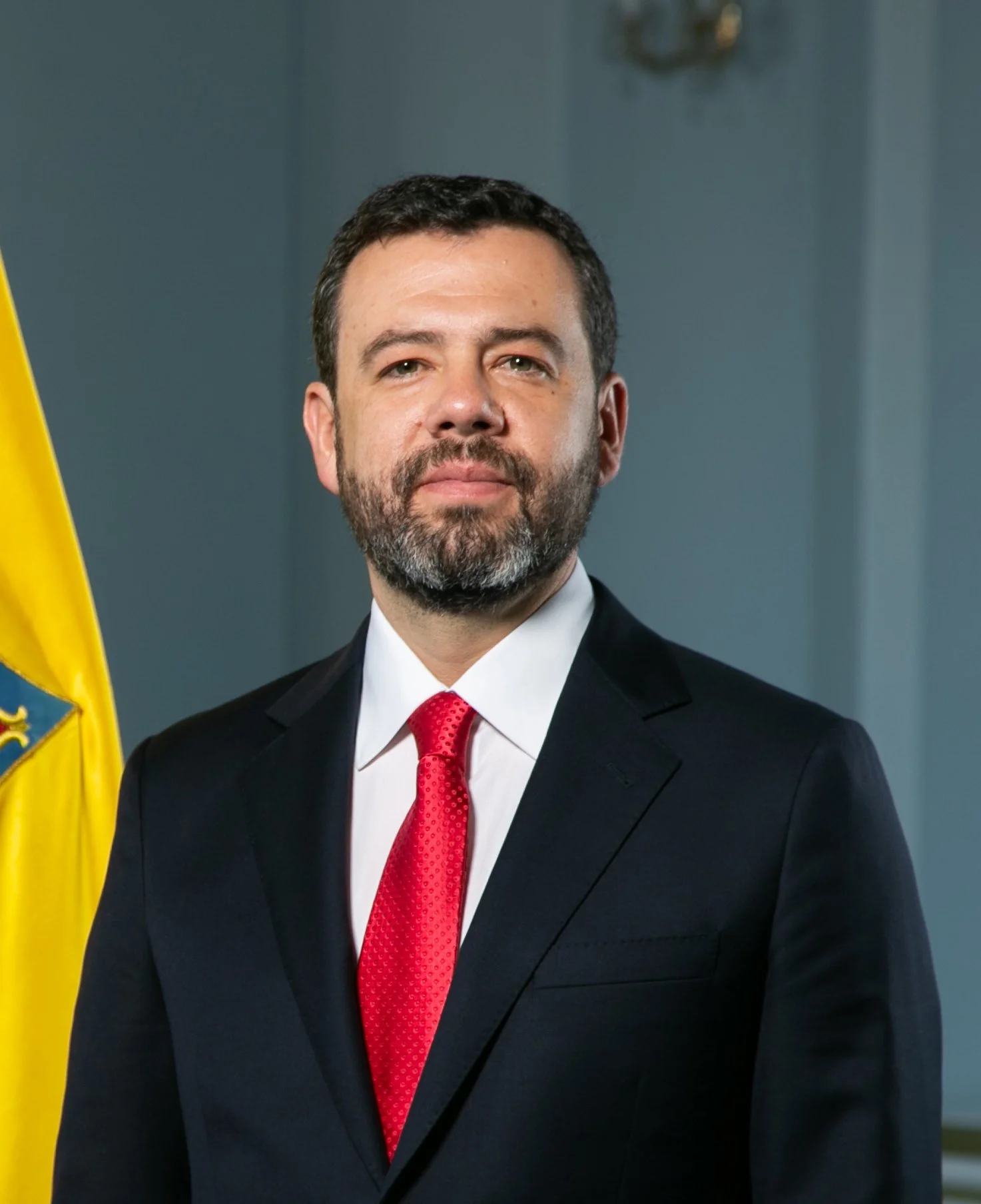
“Cities are where migration becomes real. National governments shape rules, international actors shape incentives, but cities deliver the services, hold communities together, and manage the consequences when systems fail. Bogotá is committed to building systems, not temporary fixes. Integration is not a weakness. Integration is governance.”