
Atlántico Integration Territory: A Path to Opportunities and Rights for Migrants
Department of Atlántico
Governor
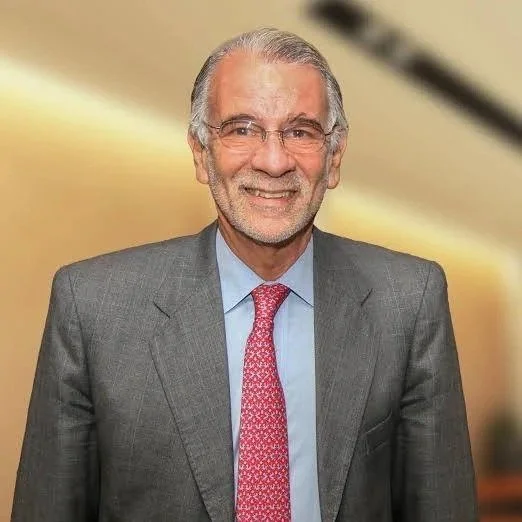
Eduardo Verano de la Rosa
Start of Project
04/03/2024
End of Project
12/31/2027
Overview
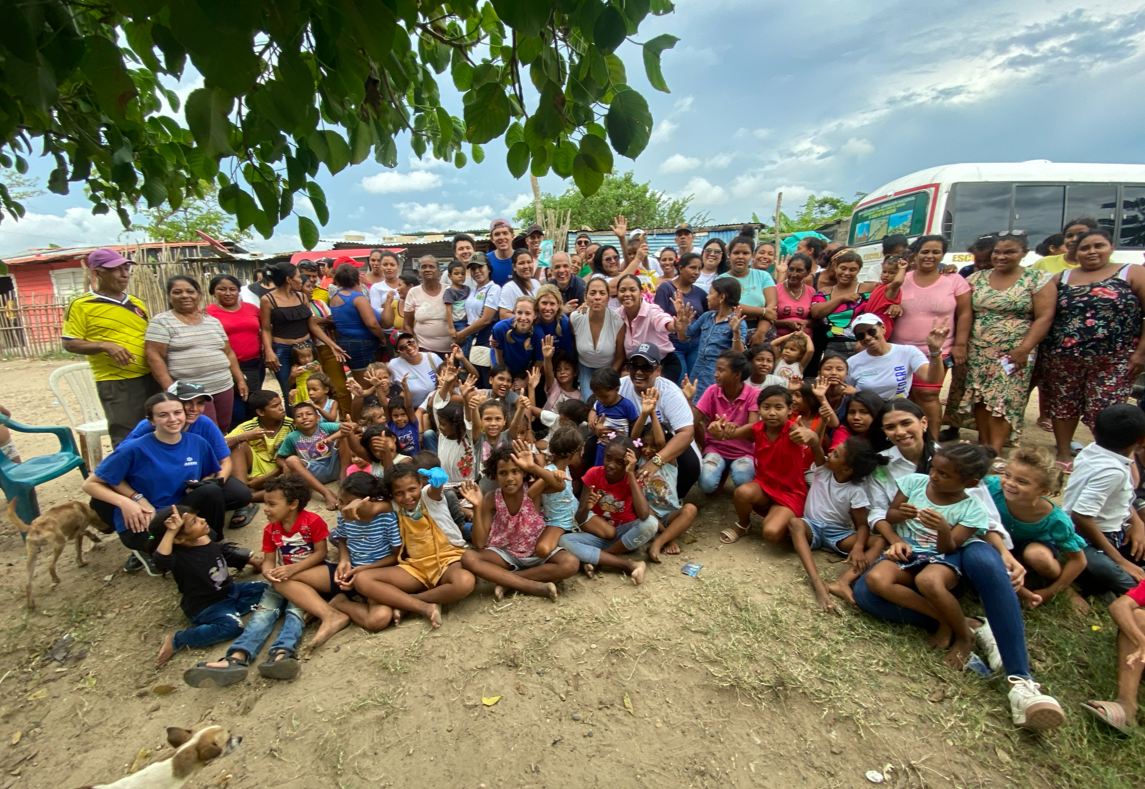
The Government of Atlántico is committed to implementing a comprehensive management model that transforms migration into a driver of social and economic development. The “Pathway of Opportunities and Rights for Migrants,” which is being implemented through a rolling plan, is a set of services designed to ensure that people in situations of human mobility within the department can transition from vulnerability to self-reliance.
The Government of Atlántico provides support to ensure effective access to fundamental rights and promote the productive integration of the migrant, refugee, and returnee populations by strengthening institutional capacity and coordinating with local and international actors. The “Route” provides support in four key areas: reception and protection; guaranteeing rights through access to services; productive inclusion to help achieve economic autonomy; and social cohesion. We implement Mobile Service Days that primarily integrate identification, education, health, and legal support, traveling through the department’s 22 municipalities and prioritizing critical areas such as the southern part of the department, Soledad, Puerto Colombia, and Sabanalarga.
Expected Impact
Through the four key stages of the “Route,” we hope that migrants, refugees, and returnees will be able to:
Reception and Protection: Receive immediate humanitarian assistance, including legal guidance on regularization.
Guarantee of Rights: Access basic services such as enrollment in the healthcare system and emergency medical care, the System for the Identification of Potential Beneficiaries of Social Programs in Colombia (Sisbén IV) once they achieve regularization, and enjoy the right to education.
Productive Inclusion: Achieve economic autonomy through enrollment in technical training programs, job fairs, entrepreneurship fairs, and programs developed by the Governor’s Office.
Social Cohesion: Benefiting from programs such as the Citizen Coexistence Program, which runs campaigns against xenophobia, as well as cultural and sports programs that bring migrants together with the host community to which they belong.
Through Mobile Service Units and thanks to a specific geographic focus, we are able to break down the geographic and economic barriers that prevent migrants from accessing government services. This initiative aligns with the Sustainable Development Goals (SDGs), specifically SDG 10 (Reduced Inequalities) and SDG 17 (Partnerships for the Goals).
To date, “the Route” has reached more than 5,000 people in the department.
Lessons Learned
Among the key lessons learned is the need to implement initiatives throughout the department to enable widespread participation by the target populations. This underscores the importance of building capacity within the various municipal governments so that they have the autonomy and sufficient knowledge to address the various situations they encounter with the most appropriate actions, leading to favorable outcomes for migrants and returnees.
Municipal liaisons with basic training on migration issues are familiar with the available support channels and receive updates on migrants’ rights and obligations, enabling them to help address migrants’ needs.
Inter-institutional coordination through the Migration Roundtable and active engagement with various national and international bodies have led to recognition of the importance of the Atlántico department as a region of migrants and returning Colombians, fostering collaborative participation among institutions and with non-governmental organizations.
Priority Objectives

Protecting those most vulnerable

Realizing socio-economic inclusion

Supporting reception and advancing community sponsorship initiatives
“The history of identity and multi-ethnic coexistence in the department of Atlántico underpins the vision of a society built by and for migrants. In line with this approach, the administration has institutionalized the protection of this population by formally integrating it into the departmental development plan as a pillar of public policy.”