
Expanding Access to Civil Services through Esteban Echeverría Presente
Municipality of Esteban Echeverría
Mayor
Fernando Gray
Start of Project
12/09/2024
End of Project
12/09/2027
Overview
The municipality of Esteban Echeverría is committed to ensuring that migrants, refugees, internally displaced persons, and returnees, as well as host communities, have access to civil services through the “Esteban Echeverría Presente” programme.
The municipality continuously sends mobile civil service units to different neighbourhoods, with a special focus on those with large foreign populations. These units allow residents to apply for, obtain, and renew documents such as birth certificates, identity cards, and residence certificates. Additionally, participants can enrol in social services, receive legal and registration advice, and get support on specific issues related to gender, disability, and age.
The goal of Esteban Echeverría Presente is to ensure that all residents have access to these procedures and services, particularly foreign nationals, who might otherwise not know how to access them. By bringing these consular services to every neighbourhood, the municipality can streamline procedures and provide the necessary support to everyone who needs it.
Expected Impact
The Esteban Echeverría Presente program is expected to increase the number of foreigners who can access civil services—such as obtaining an ID card or registering a birth certificate—as well as social services, such as food assistance or educational support. The program encourages foreigners to come forward to address any issues they face, such as gender-based violence or school passes for children. It also facilitates access to “Esteban Online,” a program launched by the municipality that promotes access to technology and continuing education for students who have completed high school.
Lessons Learned
Key lessons learned include:
The importance of interagency coordination to ensure that all services can be provided within the same mobile unit.
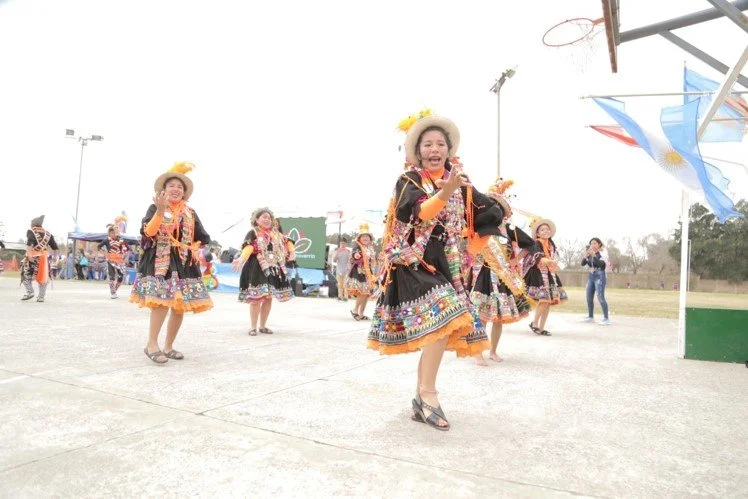
Respect for and incorporation of migrants’ cultures to ensure successful outreach and services that are sensitive to cultural differences.
Ongoing training of our staff to raise awareness of the rights and services available to refugees and migrants.
Importance of a comprehensive approach.
Improving outreach to local communities by expanding consultations and ties with community leaders and coordinating with other institutions such as the National and Provincial Ministries of Security and the Secretariat of Migration, among others.
Priority Objectives

Protecting those most vulnerable

Providing access to urban infrastructure, social services and education regardless of status

Supporting reception and advancing community sponsorship initiatives

“It is the role of local governments to protect the most vulnerable and to be a welcoming place for all those who have chosen to live in our municipality.”