
Bogota’s Nutrition Reception Center for Migrant and Refugee Children and Mothers
Bogota
Mayor
Carlos Fernando Galán
Start of Project
09/01/2022
End of Project
08/31/2023
Overview
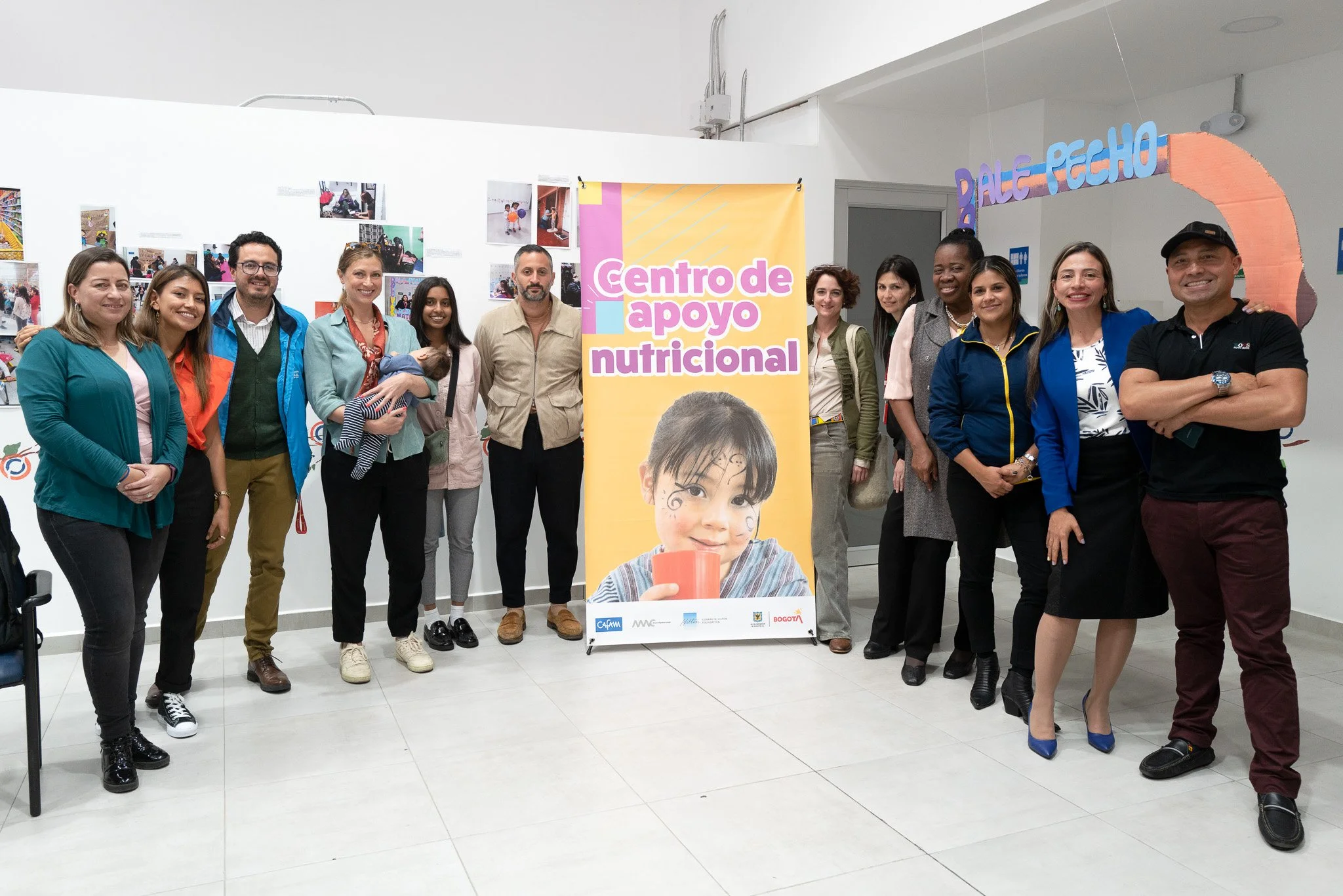
The City of Bogotá pledged to improve the health and nutrition of migrant and refugee children and mothers by establishing its first-ever Nutrition Reception Centre. Supported by the Mayors Migration Council’s Global Cities Fund for Migrants and Refugees and implemented in collaboration with CAFAM and multiple municipal departments, the centre provided nutritional care and maternal health services to 541 beneficiaries, including 132 women and 408 children.
The reception center sought to be Bogotá’s main service delivery point for outreach activities, food distribution, and case management and referral pathways for migrant and refugee children and their caretakers. The project stems from multiple city assessments - one in 2020 and another in 2021 - on the needs of Venezuelan children and their caregivers in Bogotá. These assessments highlighted food security, nutrition, mental health, domestic violence, and access to obstetric care as areas that required further attention and resources. Meeting this gap, the reception center was planned be located within the popular migrant and refugee neighborhood of Santa Fe, a working-class neighborhood of Bogotá. While Bogotá's project proposed addressing migrant and refugee needs that are otherwise unmet by the city's budget, project activities and objectives were to be aligned with policies and plans at both the city and national levels.
Expected Impact
The Alcaldía de Bogotá’s project anticipated three key impacts:
Migrant and refugee children to be protected from and treated for malnutrition.
Migrant and refugee families to have improved access to family-care services, including referral pathways.
Migrant and refugee pregnant women and breastfeeding mothers to have improved access to maternal healthcare services and receive support when they experience harm.
Reported Impact [as of November 2025]
Over 40% of malnourished beneficiaries fully recovered, and the centre saved the lives of more than 20 children suffering from severe malnutrition. Bogotá also conducted 99 home visits, distributed monthly food vouchers to 250 families, and referred 400 beneficiaries to healthcare and social services, improving long-term inclusion. Despite challenges in ensuring consistent attendance and access to health insurance, the initiative strengthened inter-agency coordination and set a precedent for city-led migrant health inclusion.
Call to Local Action - Priority Objectives

Improving migration governance and forced displacement protection

Protecting those most vulnerable

Supporting reception and advancing community sponsorship initiatives

Realising socio-economic inclusion

Providing access to urban infrastructure, social services, and education regardless of status