
Quezon City’s Migrants Resource Center: Solidarity in Diversity
Quezon City
Mayor
Ma. Josefina Belmonte
Start of Project
08/01/2022
End of Project
Ongoing
Overview
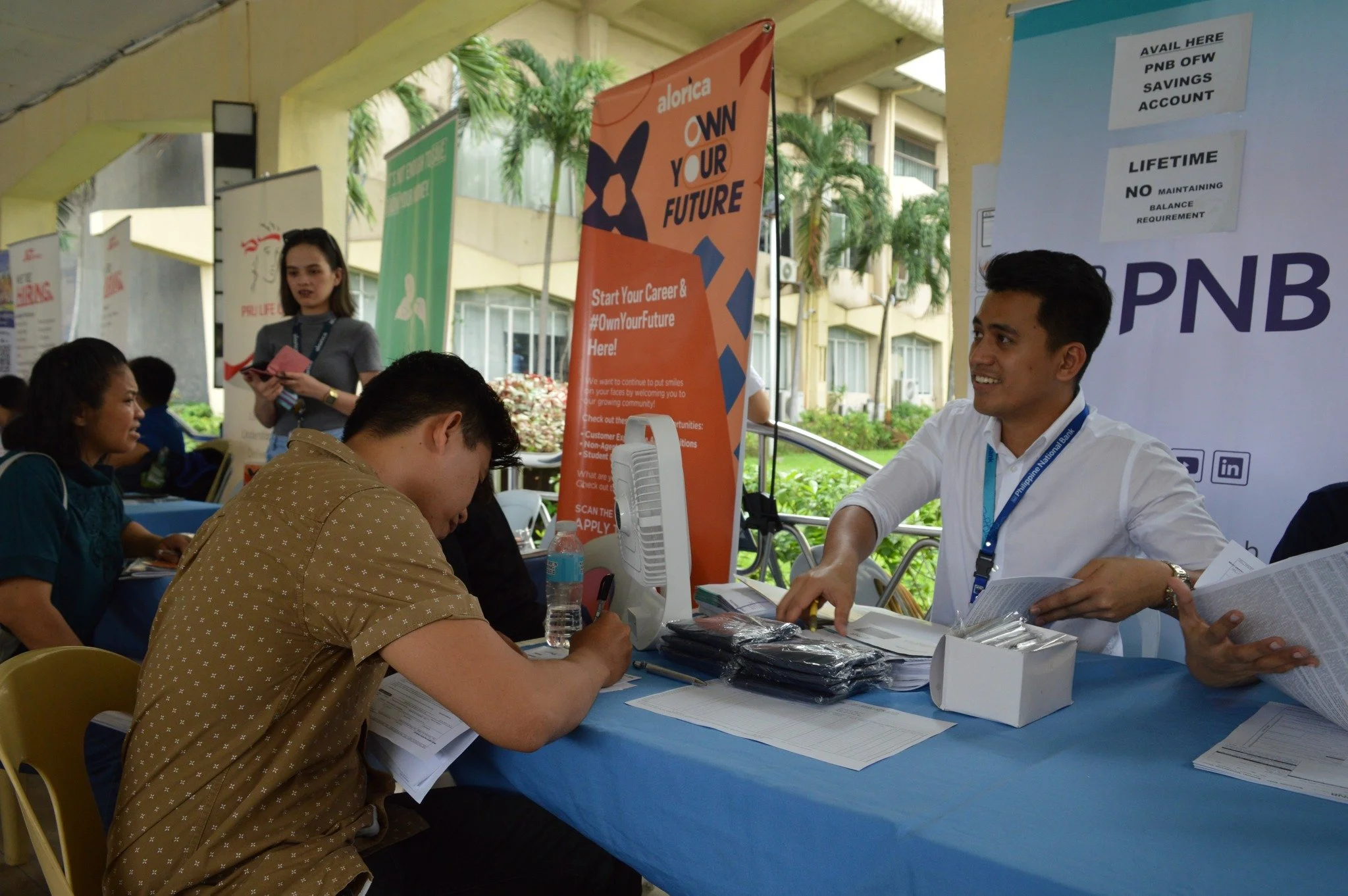
Through this pledge, Quezon City committed to advancing inclusive, sustainable, and gender-responsive local migration governance by institutionalizing a one-stop Migrants Resource Centre (MRC) under its Public Employment Service Office. The MRC provides full-cycle support for Overseas Filipino Workers (OFWs), returnees, refugees, and their families under one roof—from pre-migration orientation and skills development to repatriation, reintegration, and psychosocial services to returning migrants and their families.
The MRC also offers a spectrum of gender-responsive programs and services, including awareness campaigns, seminars, migration-related events, capability building, skills training, community organising, and direct assistance like repatriation support, psycho-social counselling, and referrals to essential agencies. Through awareness campaigns and seminars, it educates migrants about their rights, financial literacy, and cultural adaptation. It fosters community and mutual support through community organising while enhancing employability through skills training and capability building. The MRC plays a crucial role in providing essential direct services, offering distressed OFWs repatriation assistance, psycho-social counselling for emotional well-being, and connecting migrants with relevant government agencies.
By addressing the multifaceted needs of migrants, the MRC empowers this vulnerable sector, facilitating their successful integration into new environments and contributing to their overall well-being and resilience in the face of the challenges associated with migration.
Implemented in partnership with the National Department of Migrant Workers, Overseas Workers Welfare Administration, UN Agencies, and Civil Society Organizations, the MRC has reached over 2,500 individuals since 2023.
Expected Impact
Improved Awareness and Knowledge: The MRC's awareness campaigns and seminars addressing the whole cycle of migration – from pre-departure, on-site, and upon their return - can lead to better-informed migrants who are aware of their rights and responsibilities, reducing their vulnerability to exploitation and abuse.
Enhanced Skills and Employability: Through skills training and capability building programs, migrants can acquire new skills or improve existing ones, making them more competitive in the job market and potentially leading to higher income and job stability.
Community Building: Community organizing efforts foster a sense of belonging and mutual support among migrants, which can help reduce isolation and provide a support network in their host countries.
Emotional Well-being: Psycho-social counselling services can have a positive impact on the mental and emotional health of migrants, helping them cope with the stress and challenges of migration.
Safe Repatriation: The MRC's assistance with repatriation in times of distress ensures that OFWs have access to support and resources to return home safely when needed.
Access to Essential Services: The center's role in referring migrants to relevant government agencies and essential services can improve their access to healthcare, legal assistance, and other critical support systems.
Economic Empowerment: By providing migrants with the necessary skills and knowledge, the MRC can contribute to their economic empowerment, helping them secure better job opportunities and financial stability.
Advocacy and Policy Influence: Over time, the MRC's activities and engagement with stakeholders can lead to policy changes and improvements in the protection and welfare of migrants, including OFWs.
Reported Impact [as of November 2025]
Key accomplishments of this pledge include the institutionalisation of migrant support services across the city administration through the establishment of a Quezon City Migration and Development Council, ensuring holistic support for employment, livelihood, social protection, and mental health. The Centre also created space for new ideas and partnerships to emerge, responding to specific needs, such as the Smart Child e-Habilin Programme, which provides support to 1200 children and family members in Quezon City.
Specific challenges include funding constraints, logistical capacity, digital access barriers for their target population, and coordination across departments.
Priority Objectives

Improving migration governance and forced displacement protection

Protecting those most vulnerable

Providing access to urban infrastructure, social services, and education regardless of status

Realising socio-economic inclusion