
Johannesburg’s Climate Change Response for Migrants, Refugees, and IDPs
City of Johannesburg
Mayor
Dada Morero
Start of Project
01/07/2022
End of Project
30/06/2023
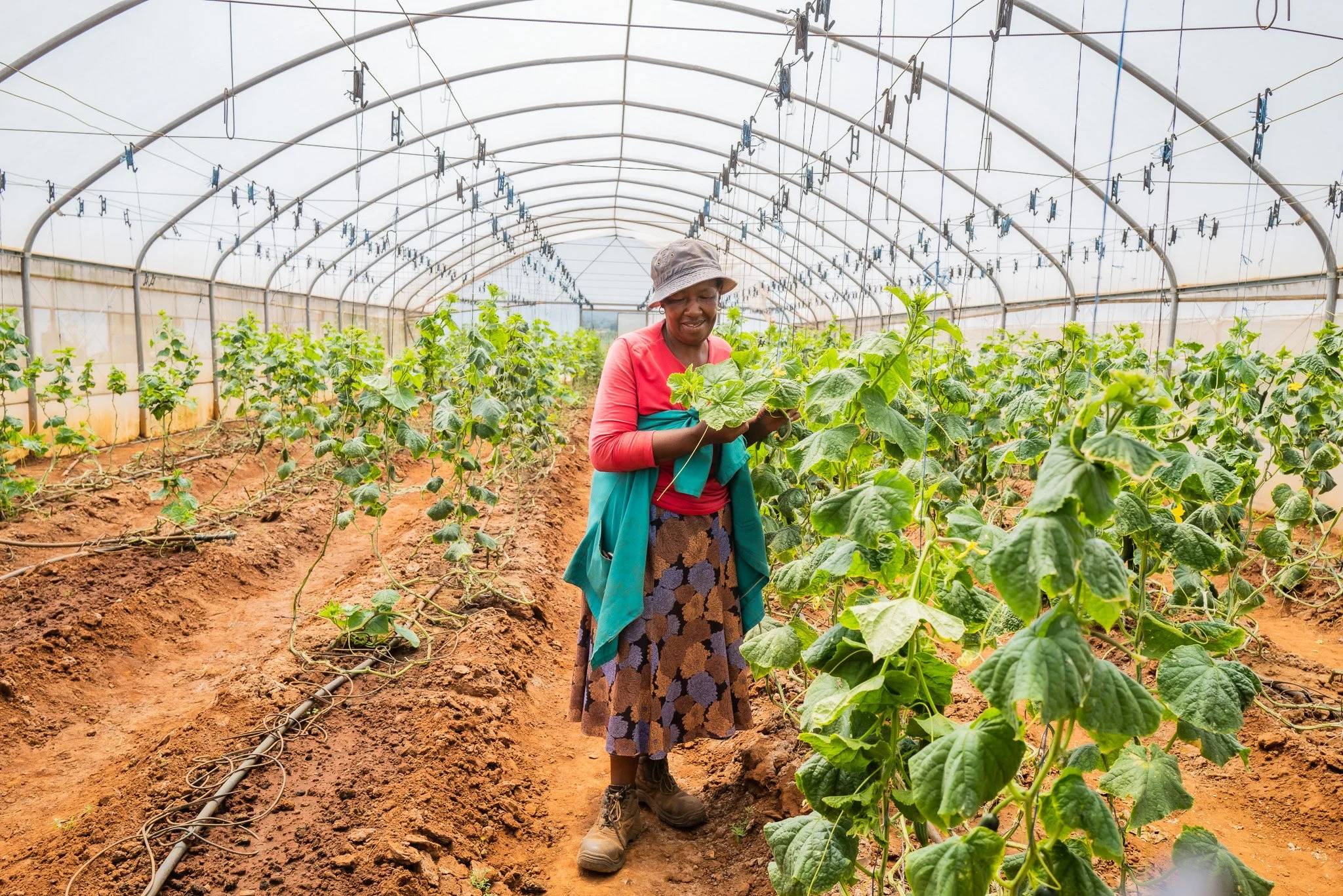
© Mayors Migration Council (MMC). The City of Johannesburg is using its MMC Global Cities Fund (GCF) grant to train internally displaced people (IDPs) and migrants in climate-adaptive urban agriculture, including rooftop garden cultivation.
Overview
The City of Johannesburg will improve the food security of migrants, refugees, and IDPs living in situations of homelessness by connecting them to existing urban agriculture programs throughout the city. The project will focus on migrants, refugees, and IDPs currently living in one of Johannesburg’s eight shelters, enrolling interested clients into accredited training on topics related to urban farming, such as aquaponics and rooftop gardens. The trainings will be conducted by the City of Johannesburg’s civil society partners, and project clients will work alongside clients from the receiving community and have access to farmable land provided by the City. The project brings vulnerable migrants, refugees, and IDPs into Johannesburg’s existing livelihoods and urban farming programs, providing them with an opportunity for stable income-generating opportunities while improving the overall food security, environmental sustainability, and social cohesion of Johannesburg. If successful, the City of Johannesburg may commit long-term funding to scale the project towards specifically benefiting migrant and displaced communities. This project is in line with the City of Johannesburg’s proposed project for the MMC's Global Cities Fund for Migrants and Refugees.
Expected Impact
The City of Johannesburg anticipates two key impacts of this action:
Migrants, refugees, and IDPs living in situations of homelessness have increased food security and generate income and assets.
Migrants, refugees, and IDPs are safe in their communities and contribute to the environmental sustainability of Johannesburg.
Priority Objectives

Improving migration governance and forced displacement protection

Protecting those most vulnerable

Providing access to urban infrastructure, social services, and education,
regardless of status

Realising socio-economic inclusion

Supporting reception and advancing community sponsorship initiatives