
Implementation of Aurora's Immigrant Integration Plan
Aurora, Colorado
Mayor
Mike Coffman
Start of Project
06/07/2026
End of Project
12/31/2030
Overview
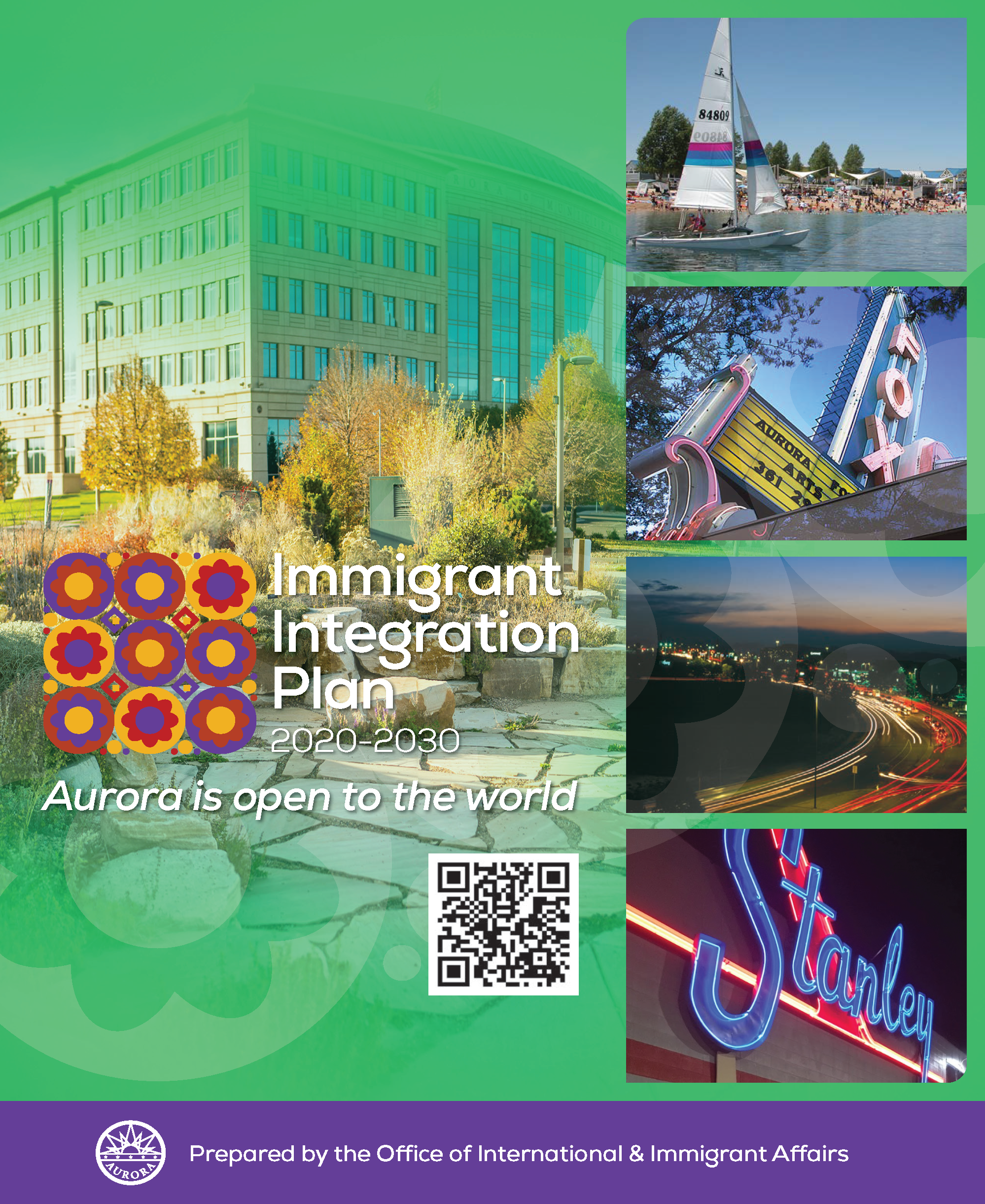
As the most diverse city in Colorado, Aurora commits to advancing inclusive policies, programmes, and partnerships that promote belonging, economic opportunity, and community integration—ensuring Aurora remains a welcoming and thriving city for migrants and refugees. Guided by the Phase II of the Immigrant Integration Plan 2020-2030: Aurora Is Open to the World, Aurora is implementing a wide range of projects that aim to increase civic participation, promote economic mobility and workforce development, improve language access, strengthen community trust and public safety, and enhance social cohesion and community belonging. These include:
The Aurora Immigrant and Refugee Commission and Youth Natural Leaders Programme, which help immigrant and refugee community members participate in local government, public meetings, and community initiatives.
Expanded ESL, English for Work, and Citizenship classes, which help residents gain the language skills necessary for employment, education, and civic engagement.
The Citywide Language Access Plan, which ensures all residents can access city services and information without language barriers.
The Global Teen Police Academy, which is designed primarily for teens from immigrant and refugee communities to build trust, understanding, and positive relationship with local law enforcement.
The programmes are developed through extensive community outreach increasing civic participation in city programmes, particularly among historically hard-to-reach communities.
Expected Impact
As we are moving into the phase two of the Immigrant Integration Plan we wanted to achieve a series of goals and objectives in the following areas:
Increased Civic Participation: The plan strengthens engagement of immigrants and refugees in civic life, helping community members participate in local government, public meetings, and community initiatives. This builds leadership within immigrant communities and ensures their voices are included in city decision-making.
Economic Mobility and Workforce Development: The plan supports workforce development, small business growth, and entrepreneurship among immigrant and refugee residents. By improving access to English education, job training, and business resources, residents can contribute to Aurora’s economy and achieve economic stability.
Improved Language Access and Education: The plan helps residents gain the language skills necessary for employment, education, and civic engagement while ensuring city services and information are accessible in multiple languages.
Stronger Community Trust and Public Safety: Culturally competent outreach and partnerships with law enforcement and city departments strengthen trust between immigrant communities and public institutions, improving communication and safety.
Greater Social Inclusion and Community Belonging: The plan promotes arts, culture, sports, and neighbourhood engagement activities that celebrate Aurora’s diversity, fostering mutual understanding and a stronger sense of belonging.
Overall Impact: By 2030, Aurora aims to build a more inclusive, economically vibrant, and civically engaged community where immigrants and refugees are fully integrated and recognized as essential contributors to the city’s social and economic success.
Lessons Learned
The release and implementation of Aurora’s Immigrant Integration Plan provided valuable insights. Positive lessons include the effectiveness of extensive community engagement—through multilingual surveys, conversations, and leader interviews—which built trust and informed programming. Hiring culturally competent outreach specialists from within immigrant communities increased participation and accessibility, while strong partnerships with city departments, nonprofits, and private funders amplified resources and program reach. Integrating programs across ESL, Citizenship prep, youth leadership, and civic engagement addressed multiple community needs, and data-driven planning supported continuous improvement and informed the long-term 2020–2030 plan.
Challenges included resource limitations that constrained program scale and persistent language barriers that made some communities difficult to reach. Coordinating across multiple city departments sometimes slowed implementation, and measuring long-term impacts on economic mobility, civic engagement, and social integration proved difficult. External factors, such as policy changes and economic shifts, also influenced resident participation. These lessons will guide ongoing refinement to enhance inclusion, equity, and community impact.
Priority Objectives

Providing access to urban infrastructure, social services, and education,
regardless of status

Realizing socio-economic inclusion

Engaging in regional and multilateral partnerships and increasing city-to-city cooperation
“The partnerships we have created, the trust we have built, the ideas we have sparked – all of this requires our continued support and nurturing so we can be a city that helps all our residents dream big and achieve even more. This updated strategic plan for the next 10 years sets the groundwork for how we will be an international business and cultural destination, a welcoming melting pot of people and experiences, and a city of opportunity for residents of all backgrounds.”