
The Gaziantep Social Cohesion Model
Gaziantep Municipality
Mayor
Fatma Sahin
Start of Project
01/15/2016
End of Project
January 2026
Overview
Gaziantep, a city in the southeastern part of Turkey, has successfully integrated 500,000 refugees and has grown its population by 25 percent due to newcomers fleeing the crisis across the border in Syria. From the very start of the migration explosion, Gaziantep addressed an important question: Do refugees cause social, political, and economic destabilization? They knew that the answer to this question would shape all of our actions in this critical time, and ultimately, Gaziantep answered definitively: Refugees do not cause destabilization; poor leadership and policies do. Working together with UN Agencies, NGOs, INGOs, and public entities, they implemented the Gaziantep Migration Model’s (GMM) migration policy, which has a humanitarian approach based on social justice and human rights. The GMM established Turkey's first Migration Management Directorate to lead the refugee response programme of the city, ensuring no one is left behind. The GMM's policies are based on ensuring the common welfare of refugees and host communities.
Expected Impact
The influx of refugees has placed huge demands on municipal services, with insufficient human resources and budget, and the language barrier poses another issue to the municipality, especially during the COVID-19 outbreak. The lack of collaborative work of other municipal units, public institutions, NGOs, and INGOs caused an important capacity gap.
In order to respond to these challenges, the municipality established a unique department focusing on migration management, starting collaboration efforts with different stakeholders. With the GMM, when responsibilities were shared and efficient cooperation took place, many of the challenges were overcome.
Reported Impact [as of June 2026]
Two key accomplishments stand out. First, Gaziantep succeeded in institutionalizing migration governance at the municipal level by establishing Türkiye’s first Migration Management and Cohesion Directorate. This transformed the city’s response from short-term, crisis-driven humanitarian assistance into a coordinated and long-term governance model built on human rights, social justice, evidence-based policymaking, and shared responsibility among municipal units, public institutions, civil society, international partners, academics, and local communities. This institutional structure made it possible to manage migration as a cross-cutting urban issue rather than an isolated emergency.
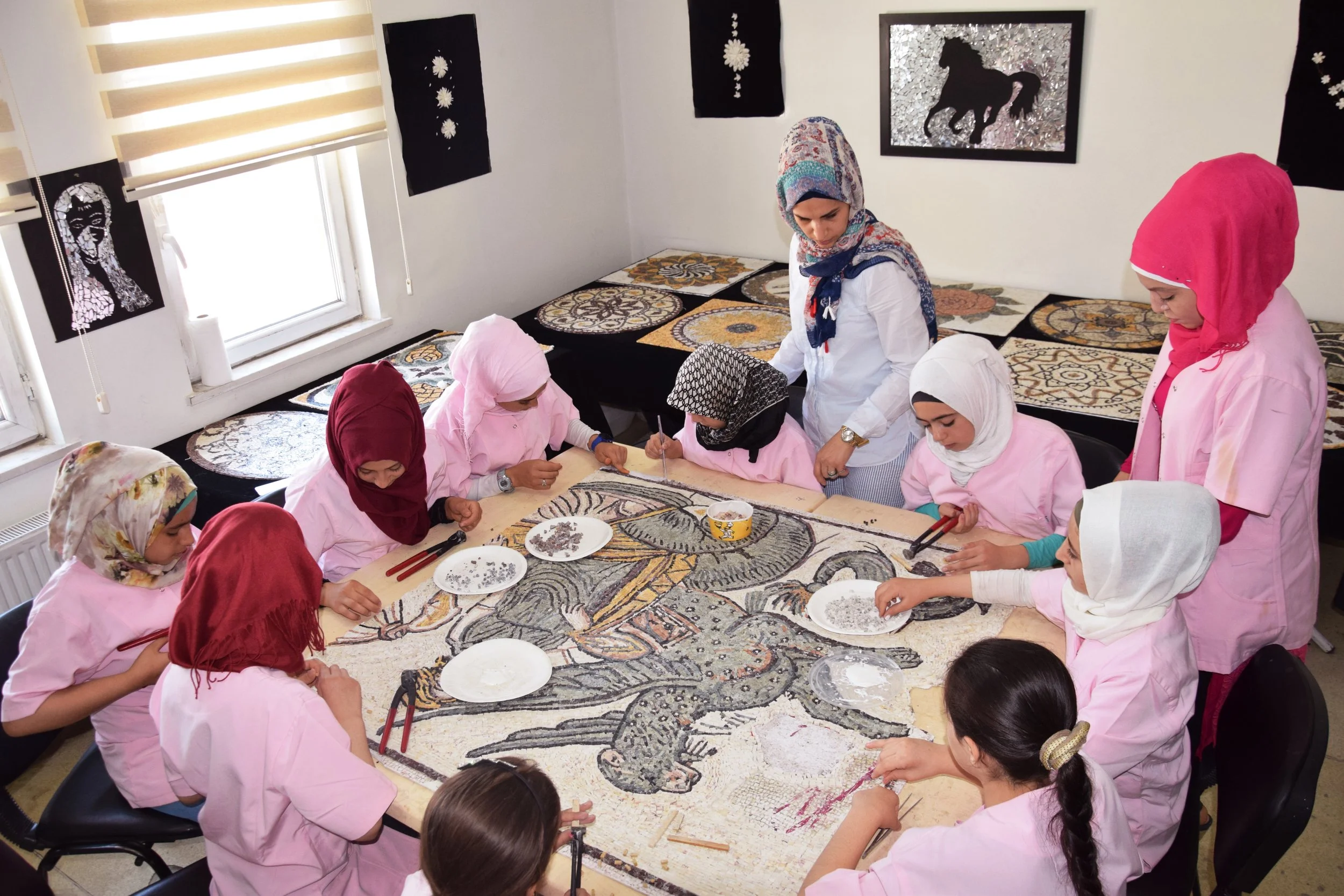
Second, the action produced concrete results in social cohesion and inclusive service delivery for both refugees and host communities. Through community centres, education and language courses, women’s livelihood support, psychosocial services, youth participation mechanisms, and school- and community-based activities, Gaziantep created shared spaces and services that reduced exclusion and strengthened coexistence. The Municipality’s own results section highlights stronger social cohesion between host and migrant communities, improved socio-economic participation, and better access to dignified work through counselling, referrals, and vocational support. The Social Cohesion Platform, inter-municipal dialogue meetings, and academic monitoring efforts also strengthened coordination, early identification of risks, and evidence-based local policymaking.
Together, these accomplishments show that Gaziantep did not only deliver services; it built a replicable local governance model that links inclusion, resilience, and municipal coordination in a context of large-scale displacement.
Priority Objectives

Eliminating all forms of discrimination and promote evidence-based public discourse

Improving migration governance and forced displacement protection

Protecting those most vulnerable

Providing access to urban infrastructure, social services, and education regardless of status

Realising socio-economic inclusion