
Cities Alliance Global Programme on Cities and Migration: Supporting Secondary Cities in Latin America, Africa, and Asia
Cities Alliance
Start of Project
November 2022
End of Project
December 2026
Overview
Building onto the first phase of the Global Programme, Cities Alliance commits to further support secondary cities in Latin America, Africa, and Asia to improve service delivery for migrants, refugees, and IDPs. This work is supported by the Swiss Agency for Development and Cooperation (SDC).
Between 2022 and 2026, the Programme will support secondary cities with high numbers of migrants and displaced populations:
Arua, Jinja, and Koboko in Uganda
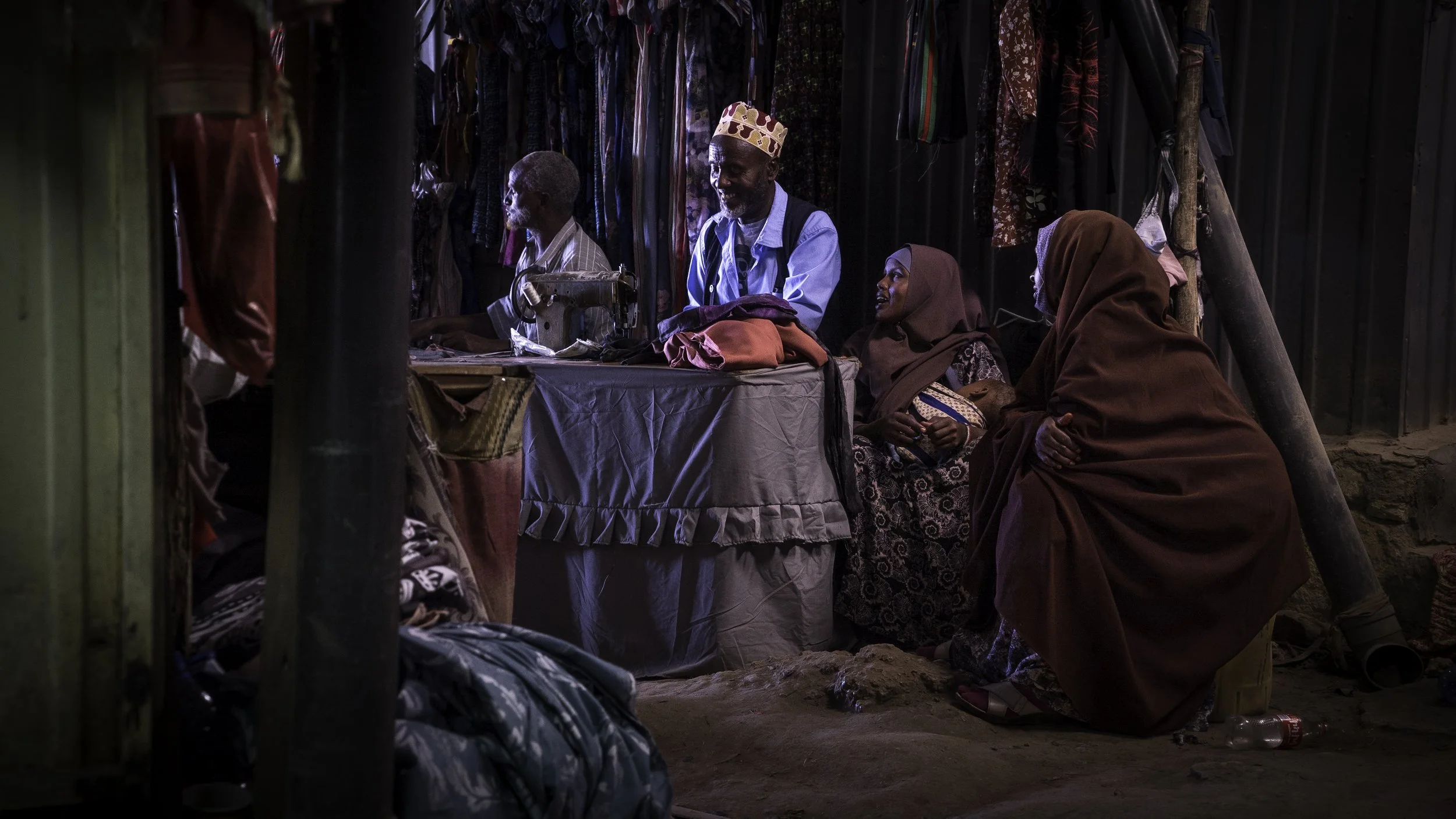
Adama and Jigjiga in Ethiopia
Medenine, Tataouine, and Kairouan in Tunisia
San Marcos and Amatitlan in Guatemala
Towns and cities along the Urban Mekong Corridor in Laos, Cambodia, Vietnam
The programme will provide:
Technical support to effectively plan for expected urban expansion within the coming 30 years.
Technical and financial support to improve service delivery and creation of job opportunities for migrants, refugees, and IDPs.
Peer learning and advocacy support, including the establishment of a regional network for dialogue in the Horn of Africa.
The programme hereby builds capacity of secondary cities, contributing to better planned and more inclusive urban planning and service delivery. It also helps ensure that perspectives and realities of secondary cities on migration and displacement are understood nationally, regionally and internationally.
Expected Impact
As a result of the programme, cities will:
Strengthen their capacity to address urban expansion planning for improved economic and social inclusion.
Gain access to finance and technical assistance to improve labour market integration for migrants, displaced persons, and host communities.
Gain access to finance and technical assistance to improve the provision of basic services for migrants, displaced persons, and host communities.
Engage in migration and displacement diplomacy globally and regionally, thus ensuring that local migration issues are addressed internationally.
Gain access to knowledge and technical assistance to increase the safety and well-being of displaced populations and their host communities.
Lessons Learned
The external interim evaluation of the Global Programme on Cities and Migration- Phase I (2018 – 2022) finds that: “… the programme has made remarkable progress in reframing agenda, mobilizing knowledge, and building partnerships, while technically and financially empowering local municipalities. It has successfully inserted migration and mobility into global and local governance debates and planning. It demonstrates that with limited financial support, peer-to-peer learning, research, and engagements can be a powerful and relatively inexpensive way to empower local authorities. Indeed, enhanced trust among partners, conceptual and technical advancements, and the normalizing of municipal engagement in migration matters [was achieved]. Moreover, through engagement with this programme and its strong emphasis on conceptualization and strategic planning, municipal actors are more likely to ensure that investments from international or other external actors resonate with local priorities. It is likely that these will be the [Programme’s] most enduring effects.”
Reported Impact [as of November 2025]
Cities Alliance, with support from the Swiss Agency for Development and Cooperation (SDC), works to strengthen secondary cities across Latin America, Africa, and Asia to integrate migrants, refugees, and displaced persons into local development. The programme has reached over 500,000 people in 30+ cities, mobilized over USD 50 million, and advanced inclusive urban governance despite ongoing funding and coordination challenges.
Priority Objectives

Improve migration governance and forced displacement protection

Providing access to urban infrastructure, social services and education, regardless of status

Realizing socio-economic inclusion