
Azuay’s Comprehensive Model for Managing Human Mobility
Azuay Provincial Government
Governor
Juan Cristóbal Lloret Valdivieso
Start of Project
10/01/2025
End of Project
N/A [Ongoing]
Overview
The Provincial Government of Azuay is committed to implementing the “Ordinance on the Promotion and Protection of the Rights of People on the Move and Their Families” through a comprehensive management model, with the support of GIZ-German Technical Cooperation and other international cooperation partners. This model is aimed at the population in human mobility within the province or originating from it, as well as their families, with a special emphasis on rural areas, transnational families, returnees, and people at risk of migration, without excluding other groups.
The model includes two main lines of action:
First, providing technical assistance to municipalities for the implementation of Migrant Centres at the cantonal level, drawing on the experience of Cuenca. These spaces will offer services tailored to local needs, prioritizing the dissemination of information, psychological support, the implementation of economic and social integration projects for returnees, training in productive skills, legal support, remote assistance for the diaspora, and care for transnational families.
Second, the human mobility approach will be incorporated into the “Communities for Life” project, which is active in 25 parishes, ensuring access to social services, information, protection of rights, prevention of risky migration, productive projects, and psychosocial support.
Expected Impact (As on October 2025)
The implementation of services will begin through the “Communities for Life” project and the launch of a Migrant House, with progressive expansion aimed at achieving full coverage of the provincial territory (15 cantons and 61 parishes).
To date, the entire Communities for Life project team that provides social services in the territory has incorporated a human mobility approach in its work, through training processes aimed at community facilitators, with the support of GIZ.
In the short term, all Communities for Life are expected to be consolidated as spaces for addressing the challenges and opportunities associated with human mobility in the rural and peri-urban areas of the Province. This implies:
the inclusion of migrant population in regular activities (productive skills workshops, spaces for the promotion of rights and prevention of violence, school support activities for children, and more), as well as
the development of specific activities related to human mobility (awareness-raising workshops, talks on the prevention of perilous migration, activities to prevent discrimination and violence, social support for transnational families, psychological support in the largest communities).
Likewise, efforts will be made to deploy an information dissemination network on the promotion of rights, referral pathways to organizations working in the area, voluntary return opportunities, and more.
In the medium term, the implementation of at least one Migrant House at the cantonal level is envisaged, which will coordinate territorial work with the Comunidades por la Vida in its jurisdiction, as well as the implementation of larger-scale projects and activities to provide comprehensive assistance to people in human mobility and their families. In particular, mechanisms for socio-economic reintegration upon return will be designed, as well as support actions for the diaspora and their families.
Priority Objectives

Improving migration governance and forced displacement protection

Protecting those most vulnerable

Realising socio-economic inclusion
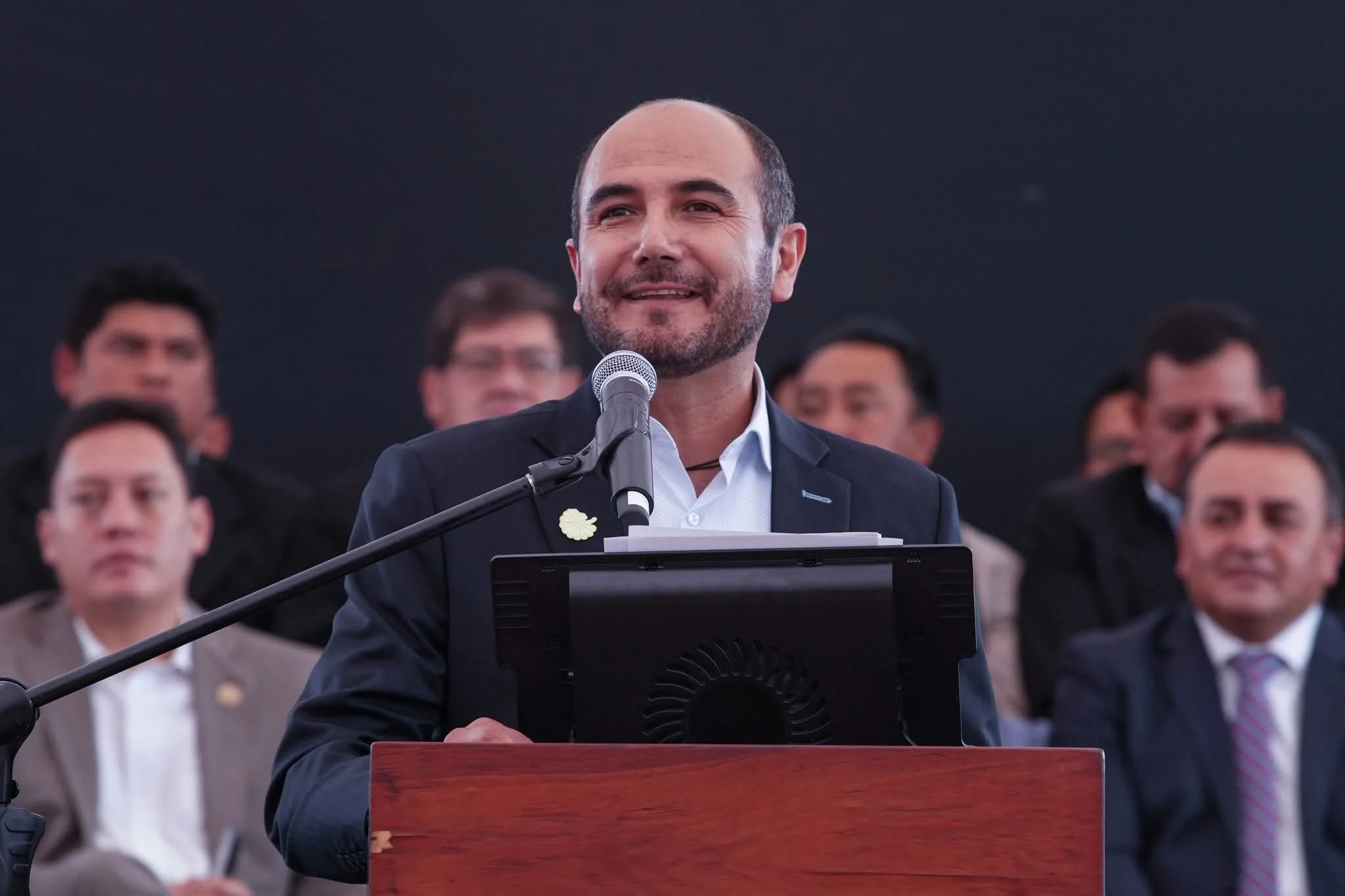
“In a world where goods move freely, no person can be considered illegal.”