
ANVITA: Transforming Libraries into Welcoming Spaces for All
ANVITA (L’Association Nationale
des Villes et Territoires Accueillants)
Co-Chairs
Damien Carême and Jeanne Barseghian
Start of Project
April 2024
End of Project
April 2026
Overview
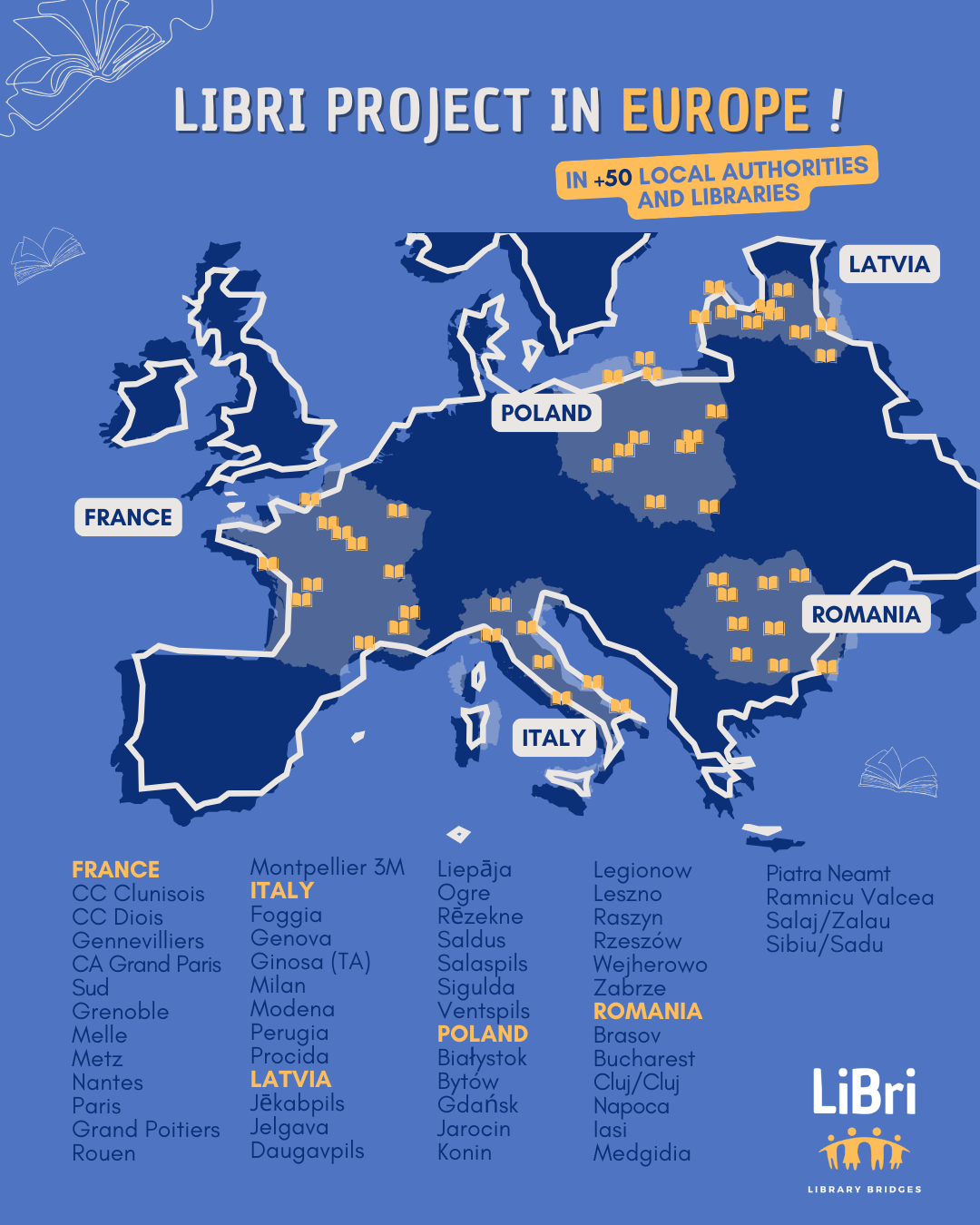
The LiBri project is an initiative co-funded by the European Union (AMIF funds) that aims to transform libraries into welcoming spaces and resource centres for people in migration situations. Coordinated at the European level by Bibliothèques Sans Frontières (BSF), it brings together partners in five countries (France, Italy, Poland, Latvia, and Romania) and involves 50 libraries and local authorities, including 12 in France. ANVITA oversees the project’s national management and coordinates the French regions, ranging from major cities such as Paris, Metz, and Nantes to rural areas like the Clunisois and the Diois.
To this end, the project focuses on several key areas: better understanding the needs of the public (professionals and those directly affected), strengthening cooperation among local stakeholders (libraries, social services, associations, and affected individuals), and training professionals. In each of the 12 regions, the process includes an assessment phase, inter-stakeholder co-creation workshops to develop concrete, actionable strategies, followed by a training phase co-delivered by ANVITA and BSF to equip librarians.
To promote the sharing of experiences among peers at the national and European levels, several key events (both online and in-person) have been organized across Europe.
Expected and Achieved Impact
The impact of the LiBri project is currently being thoroughly evaluated by the consulting firm Archipel&Co, using a combination of qualitative and quantitative data. Although the evaluation is still ongoing, several findings can already be noted:
12 regional assessments conducted, 12 roadmaps developed, and over 130 professionals trained.
The project has fostered unprecedented regional cooperation. Indeed, ties between department heads have been strengthened (Metz, Paris, Nantes, Grand Paris Sud), and coordination between regional levels has improved (City of Cluny / Clunisois Community of Communes, Diois Community of Communes / Drôme Department, Poitiers / Grand Poitiers Urban Community). Among other examples: a strategic meeting in Montpellier in September 2025 brought together the Occitanie Region, the Hérault Department, Montpellier Méditerranée Métropole, and the Regional Book Agency, illustrating the synergy created.
Concrete actions have been implemented locally: free library cards without proof of eligibility and monthly conversation workshops in Clunisois; a conversation club and the acquisition of a French as a Foreign Language (FLE) collection in the Diois region; a request for increased budgets for foreign-language collections and the launch of FLE collections in Rouen; and the integration of issues related to exile into digital training for 24 staff members in Montpellier.
The LiBri project and its findings have been incorporated into strategic regional documents, such as the framework report “Grenoble, Terre d’accueil” in Grenoble.
The project has also gained national recognition, with presentations at the 10th Regional Day of Library Innovation (ALCA) and to the Alliance for Reading.
Lessons Learned
The LiBri project has shed light on realities and challenges specific to libraries:
The surveys showed that people seek out libraries as quiet, safe spaces—beyond their role as repositories of knowledge—which requires appropriate facilities (relaxation areas, signage, etc.). Access to basic services (restrooms, Wi-Fi) is often one of the first points of entry for attracting the public.
Hospitality begins with listening, familiarity, and the sense of legitimacy to cross the threshold, long before the library’s collection is even considered.
Libraries serve as catalytic spaces for creating and strengthening social bonds among residents, both long-time and new.
In a context where French language proficiency requirements for obtaining residency permits and citizenship are increasing, libraries serve as key spaces within the local language learning ecosystem.
Involving people in migration situations is essential for creating services that are truly tailored to their needs (hours, collections, activities).
Some media libraries that have opted for a “paperless” approach for environmental reasons have found that users need physical materials (guides, maps) to find their way around, highlighting the need for hybrid tools to avoid widening the digital divide.
Priority Objectives

Providing access to urban infrastructure, social services and education regardless of status

Realizing socio-economic inclusion

Engaging in regional and multilateral partnerships and increasing city-to-city cooperation
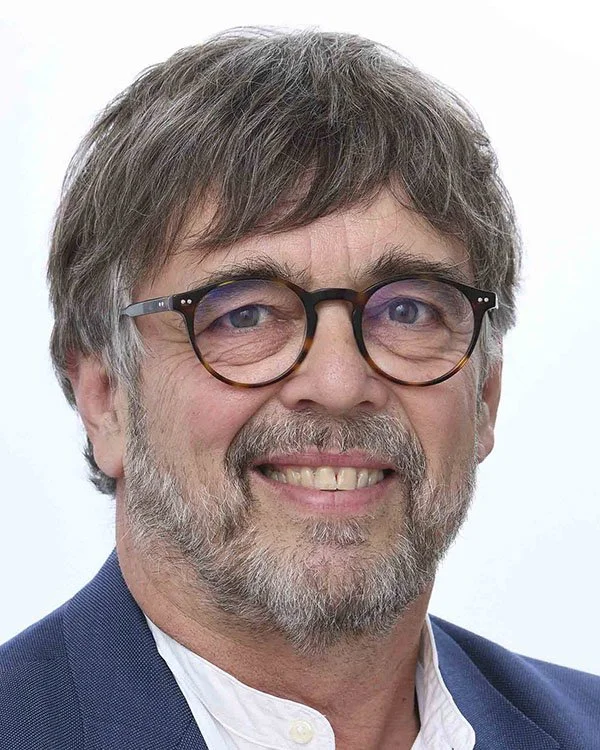

“We reaffirm that culture is a vital force for peace, humanism, and the defense of human rights, and we advocate for cultural rights for everyone. The European project Library Bridges (LiBri) builds bridges between numerous cities and libraries in France and across Europe, placing public reading at the heart of policies promoting hospitality, solidarity, and inclusion for people in exile.”