Cities bring local realities to the heart of global migration debates at IMRF 2026
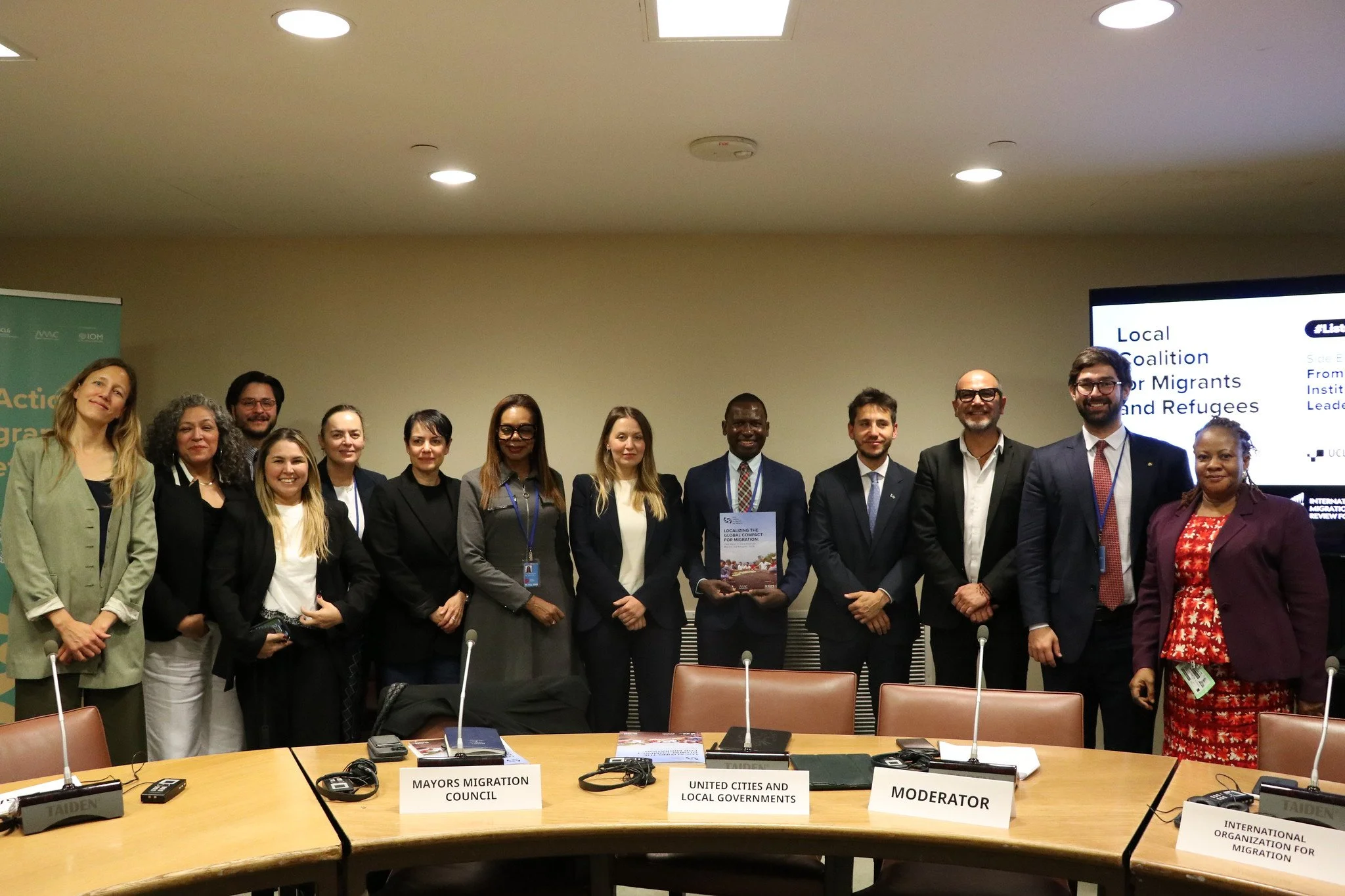
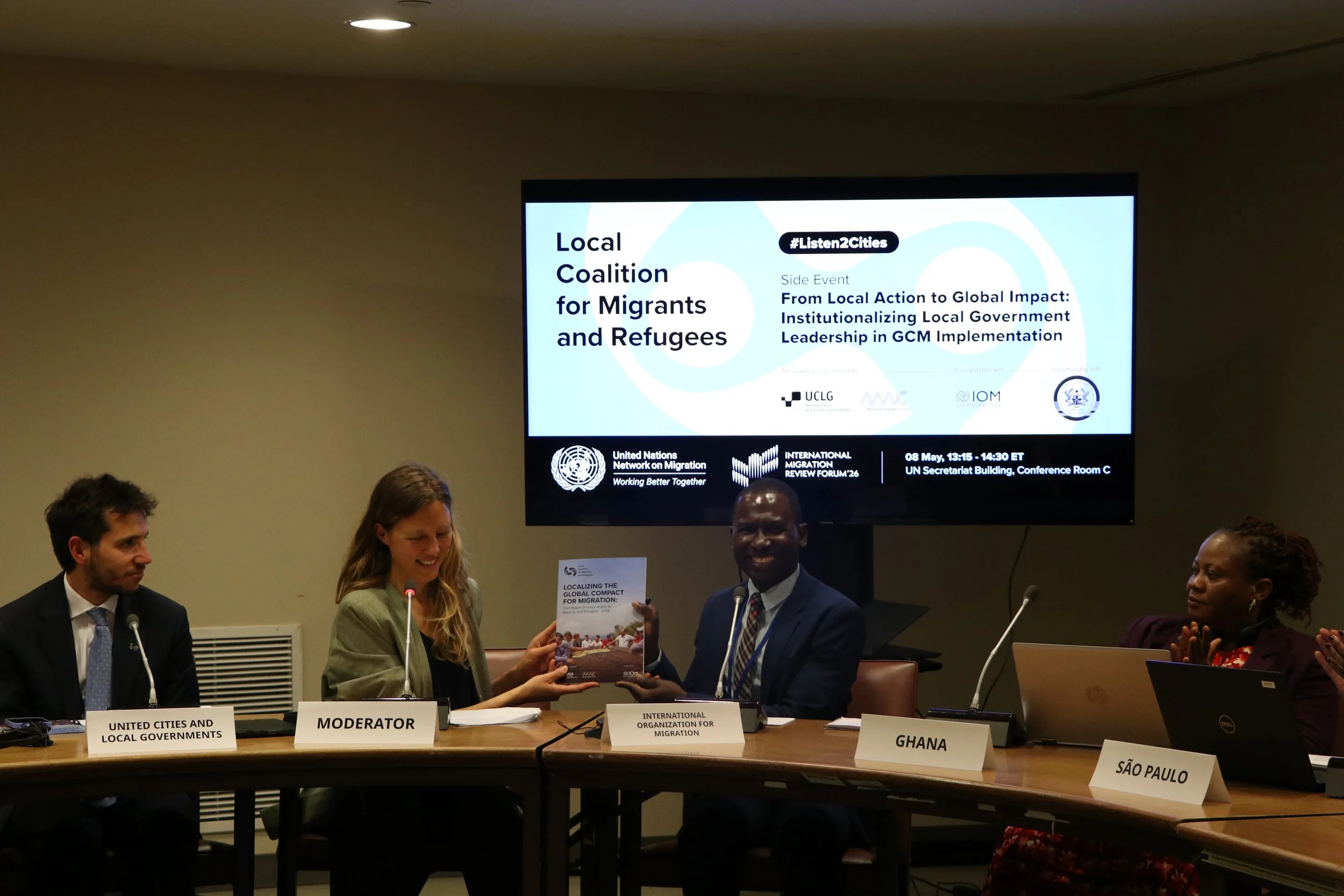
© Mayors Migration Council | The Local Coalition for Migrants and Refugees formally hands over the 2026 flagship Call to Local Action report to Frantz Celestin, the Regional Director for IOM East, Horn and Southern Africa.
NEW YORK, 05–08 May 2026
At the second International Migration Review Forum (IMRF), 14 local and regional government (LRG) delegates joined the Local Coalition for Migrants and Refugees (LCMR) and the Global Taskforce of Local and Regional Governments to demonstrate how the UN Global Compact for Safe, Orderly and Regular Migration (GCM) is being translated into concrete local action. Over five days of roundtables, side events, and plenary debates at UN Headquarters, they sent a clear message—accelerating progress on migration governance requires stronger multilevel cooperation and direct support for local and regional governments.
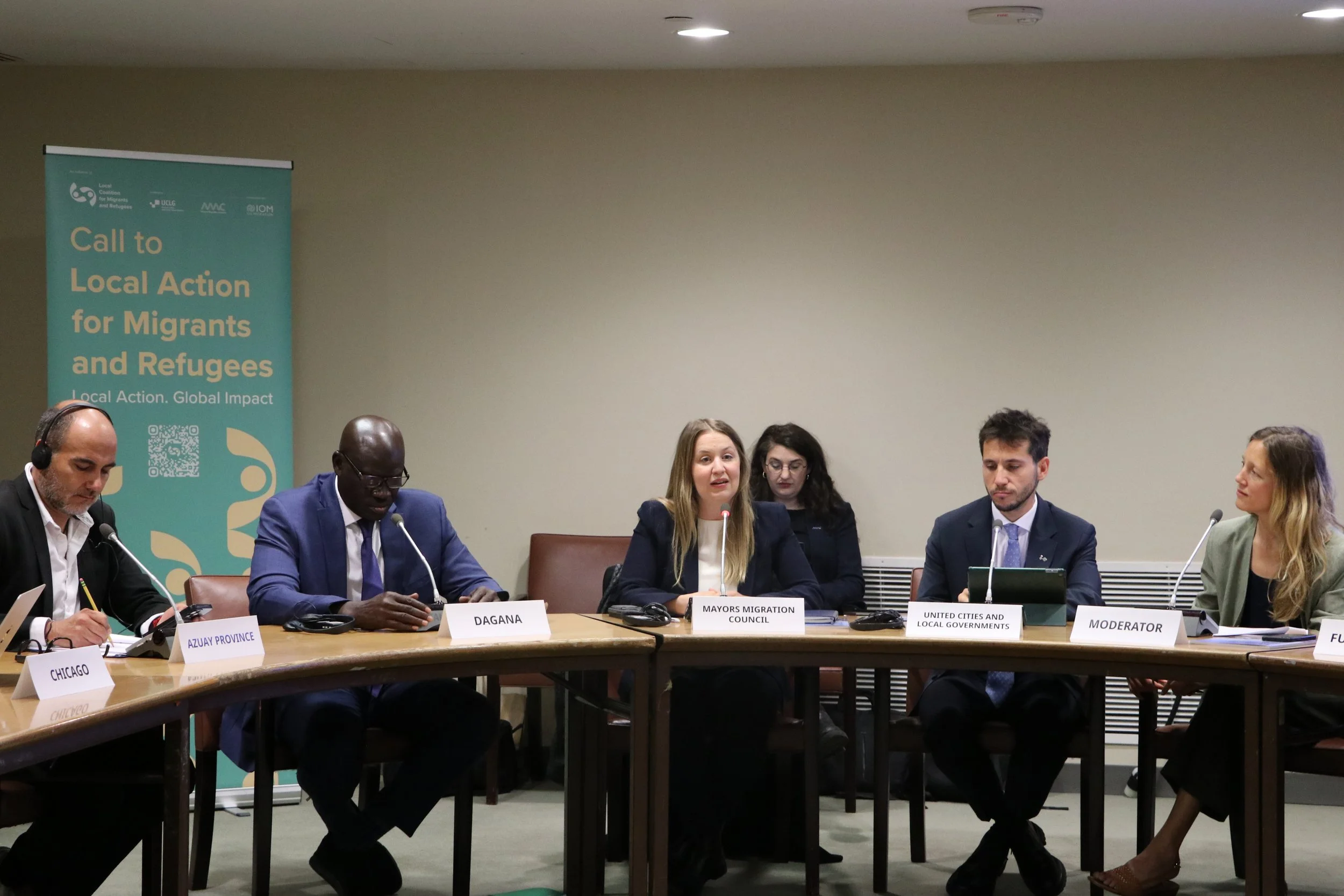
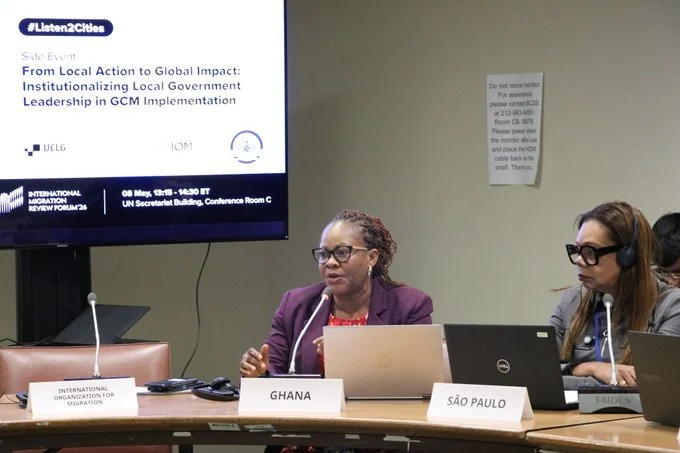
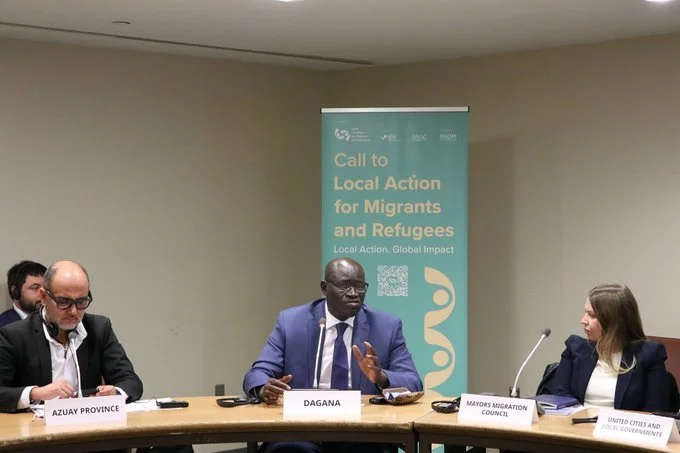
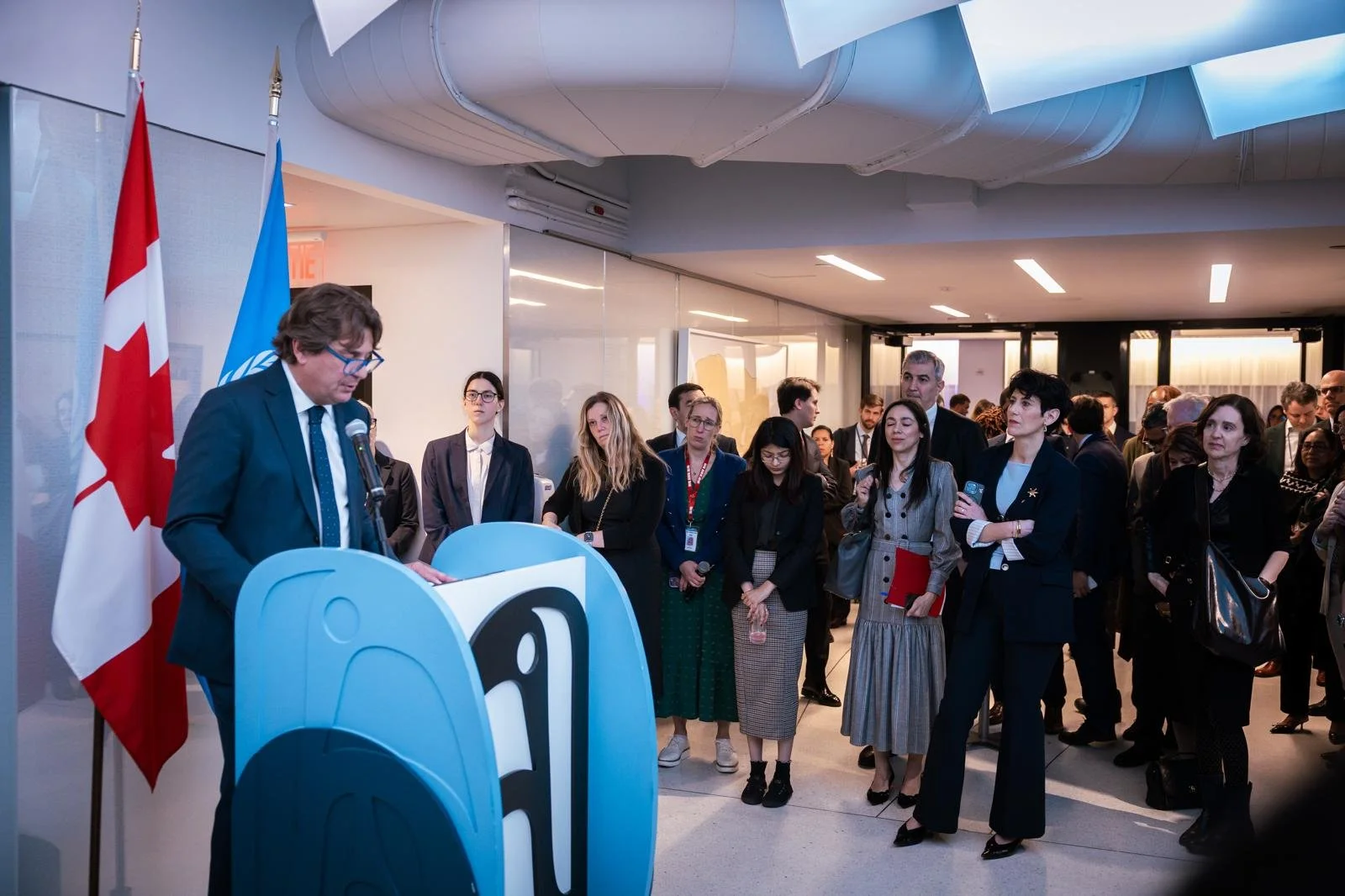
At our official IMRF side event: From Local Action to Global Impact, co-organised with Ghana’s Ministry of Local Government, on May 8, the LRG delegation handed over our Third Report on Local Action for Migrants and Refugees (2026) to Frantz Celestin, the Regional Director for IOM East, Horn and Southern Africa, representing the UN Migration Network. With this handover, LRGs formally delivered 57 new pledges from 53 local and regional governments and partners through the Call to Local Action for Migrants and Refugees. With this milestone, starting at the first 2022 IMRF, LRGs have brought the total to 181 commitments benefiting an estimated 240 million residents and mobilising 90 million dollars in funding.
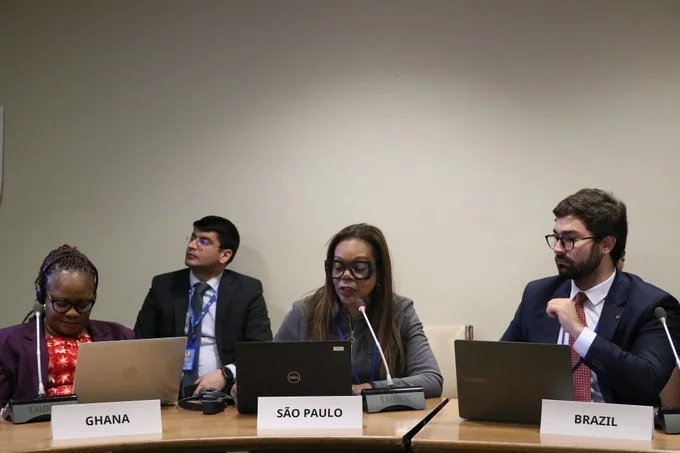
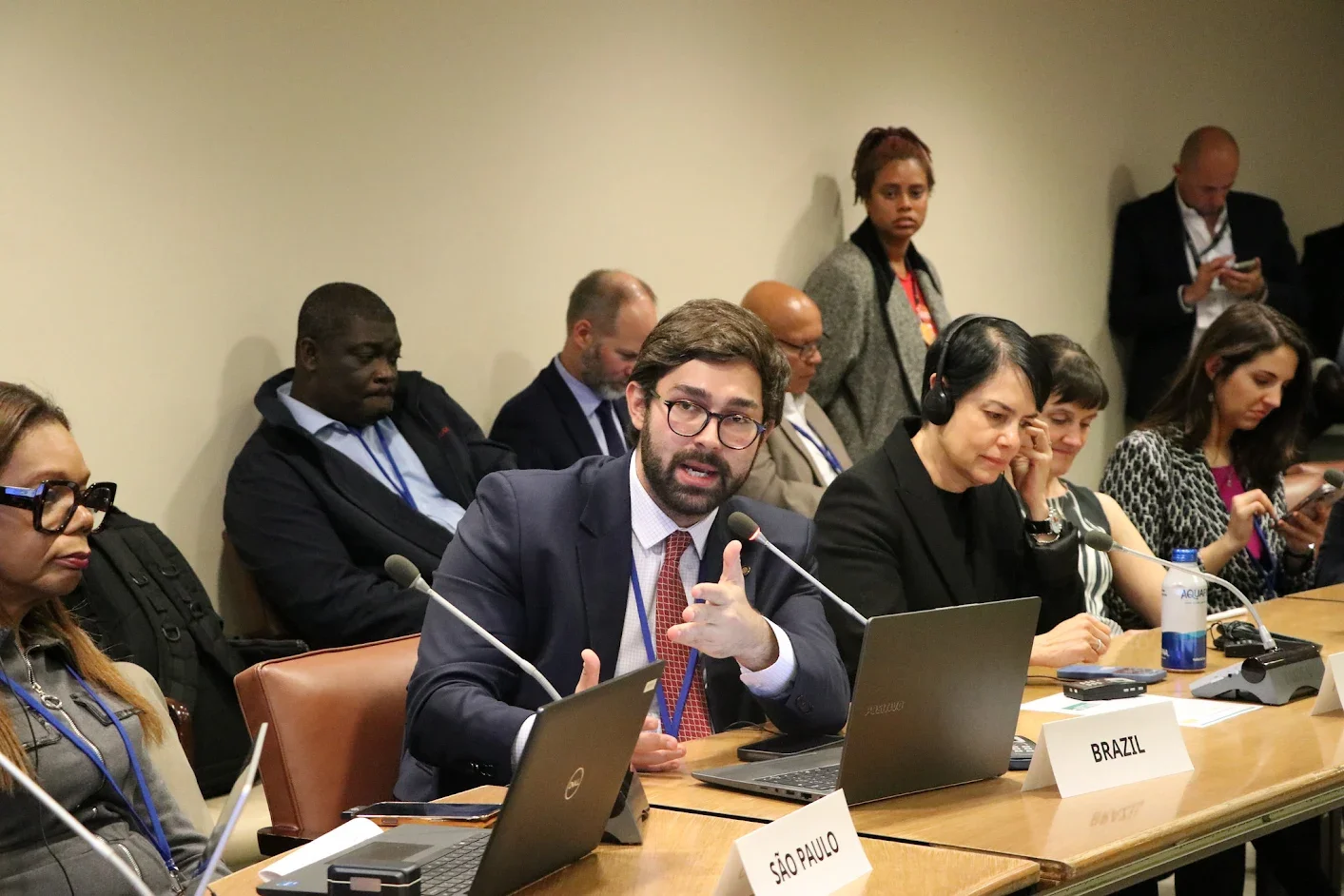
During the event, speakers including Chicago Deputy Mayor Beatriz Ponce de León, Dagana Departmental Council President Ababacar Ndao and São Paulo First Lady Regina Nunes showcased how locally led initiatives—from food security programmes to border cooperation—advance migrant inclusion, often with modest budgets and strong community ownership.
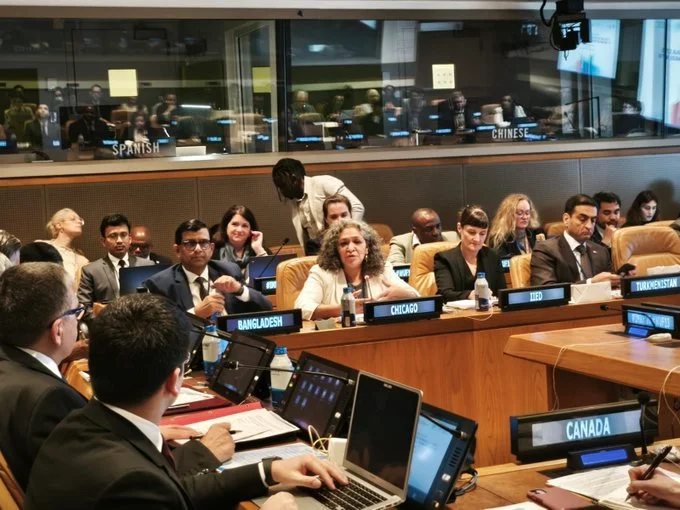
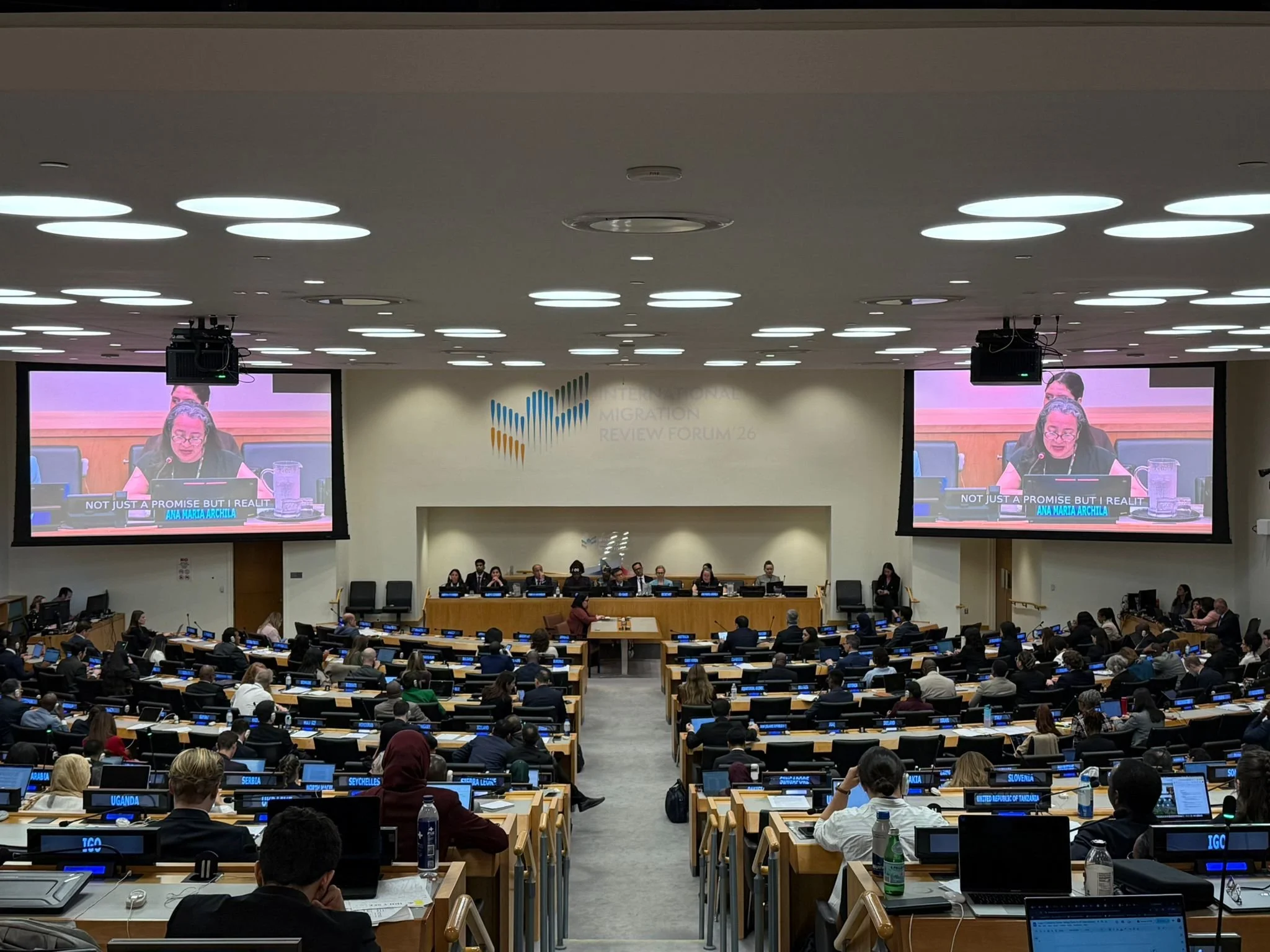
The LRG delegation also intervened across the IMRF’s official programme, including Roundtable 3 on GCM Objectives 14, 15, 16, 19, 20 and 22, where New York City Commissioner for International Affairs Ana María Archila underlined that cities are where migrants arrive and where rights are realised through local public services. Prefect of Azuay Province Juan Cristóbal Lloret, Fuenlabrada Mayor Javier Ayala Ortega and other delegation members emphasised that effective migration governance must be rooted in territories, backed by empowered local and regional governments, and built with communities through participatory approaches.
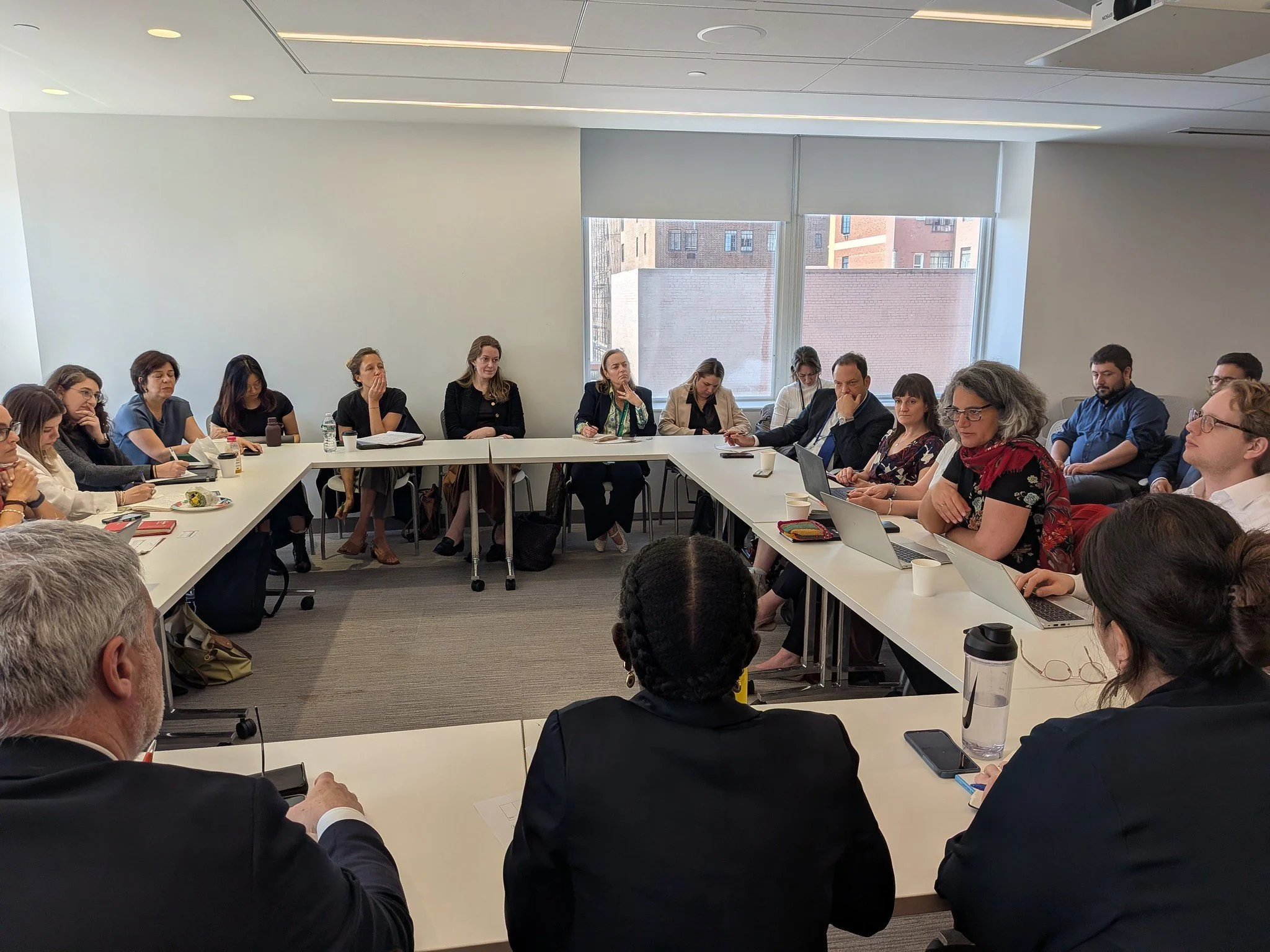
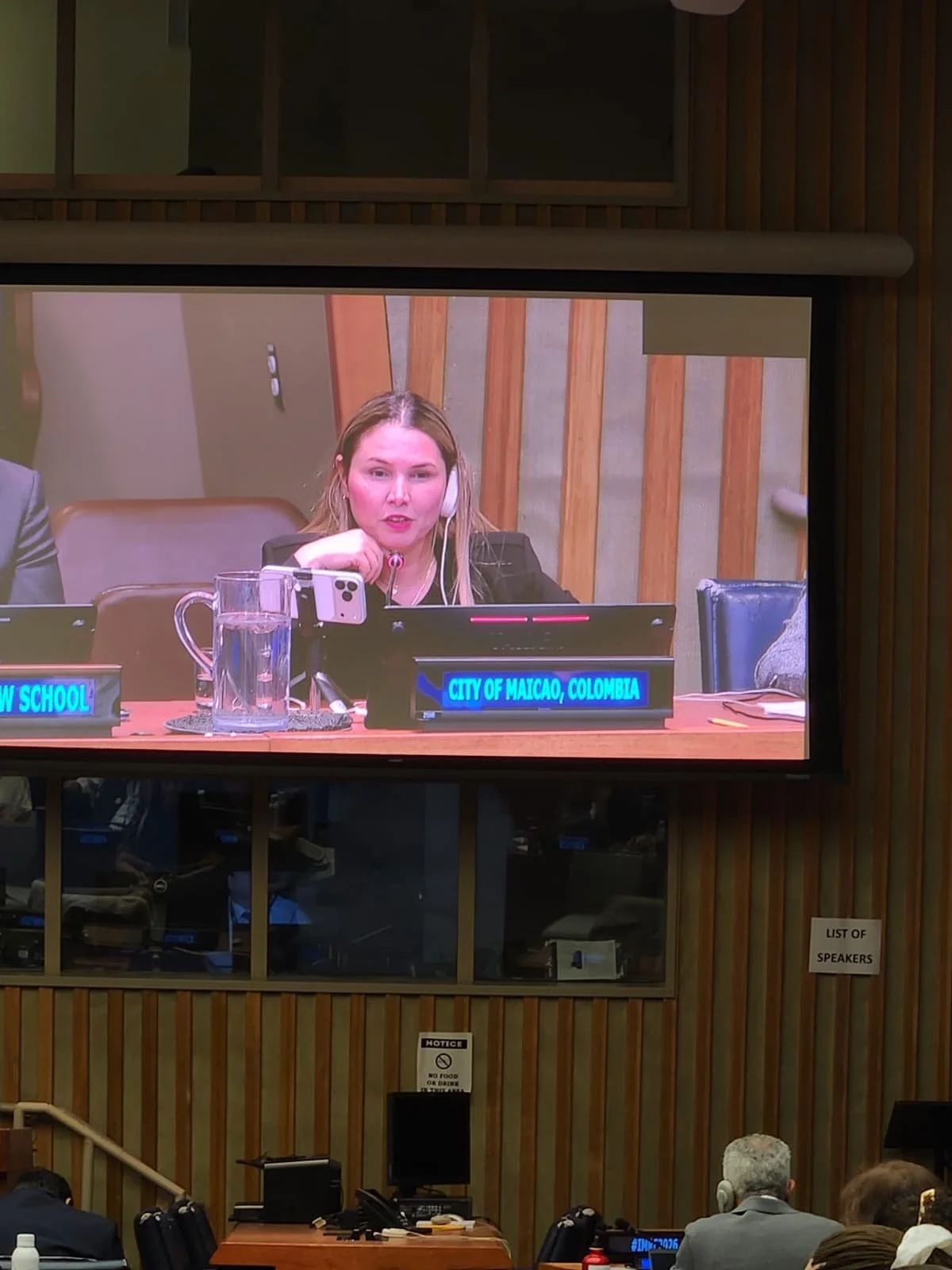
Throughout the week, the delegation helped bridge municipal realities with global policy discussions on issues ranging from migrant health to urban planning and access to basic services, in events convened with partners such as the WHO, UN‑Habitat and the Government of Azerbaijan. At the pre-IMRF Multistakeholder hearing on May 04, Commissioner for the New York City Mayor’s Office of Immigrant Affairs, Faiza Ali and External Advisor from the Municipality of Maicao, Colombia, Margarita Crespo Habib stressed that migration is lived and managed locally, showing how cities—from New York to Maicao—must be equipped with resources, infrastructure and partnerships to turn abstract global commitments into concrete inclusion, rights and dignity for migrants on the ground. In a closed‑door roundtable on financing and localization convening donors, development banks, philanthropy and international organisations, the LRG delegation highlighted the persistent mismatch between local responsibilities and available resources on the ground, and discussed how to scale direct and flexible funding for cities and grassroots actors.
At a time of polarization, shrinking civic space and declining trust in multilateralism, mayors and regional leaders at IMRF 2026 showed that migration governance ultimately succeeds or fails in cities and regions, and that protecting communities is both the right thing to do and a driver of safer, stronger and more prosperous cities. Their engagement at the 2026 IMRF confirmed that cities and regions are no longer just implementers of national policy, but strategic multilateral partners turning international migration commitments into tangible outcomes on the ground.
More Information:
Snapshots from the LRG delegation’s participation at IMRF 2026 in the Mayors Migration Council’s photo album.