
Freetown Waste Micro-Enterprise Project
Freetown City Council
Mayor
Yvonne Aki-Sawyerr
Start of Project
01/07/2019
End of Project
to be confirmed
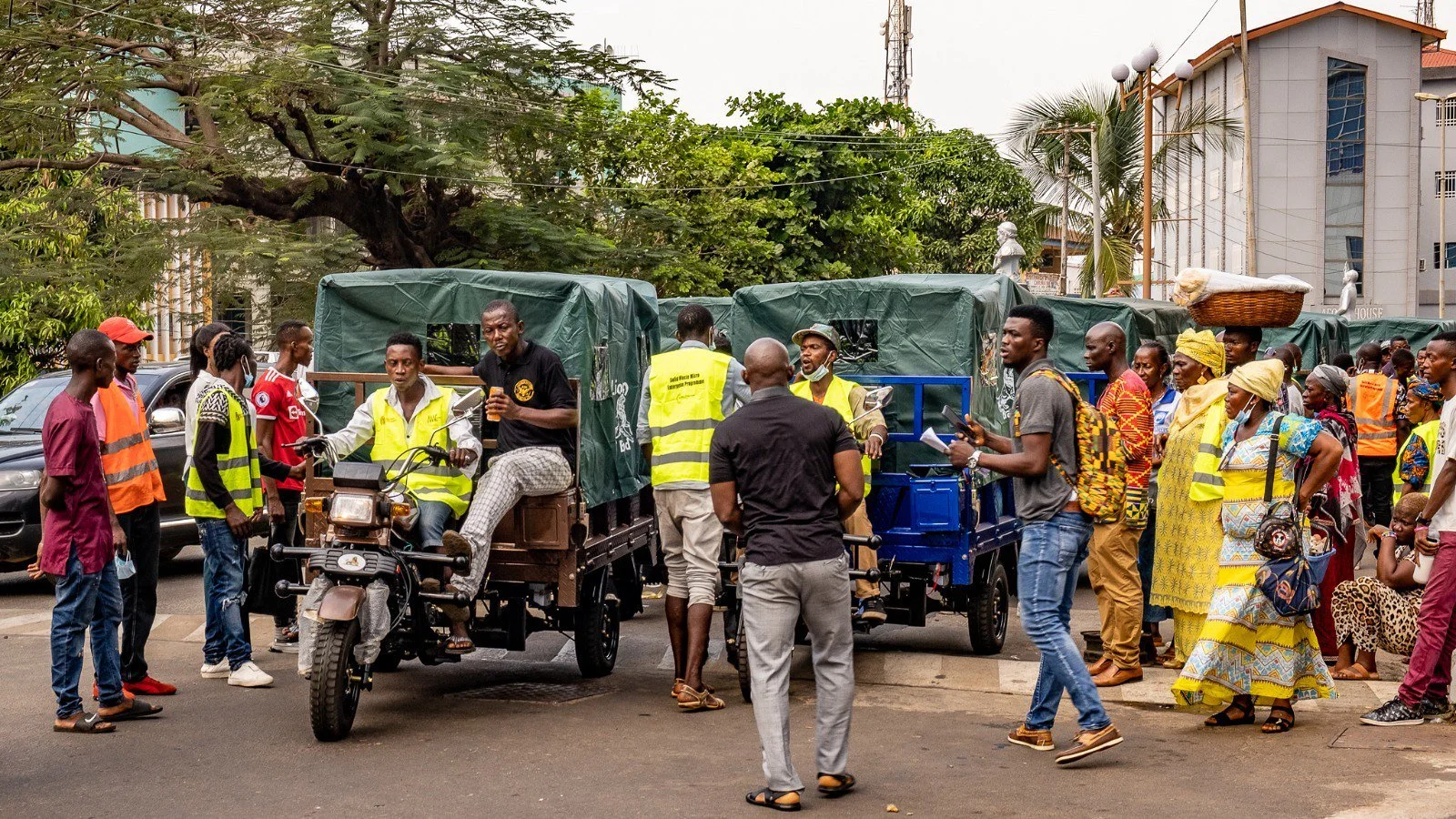
© City of Freetown, as shared with Mayors Migration Council. Solid Waste Micro Enterprise Programme Workers on the road.
Overview
Freetown commits to providing green livelihood opportunities for migrant, refugee, and marginalized youth living in informal settlements while improving waste management throughout the city. In 2021-2022, the city’s Waste Management Micro-Enterprise Program expanded to 40 new entrepreneurial teams to deliver waste collection services within informal settlements and to other Freetown residents. It builds on gains made by 80 existing waste management micro-enterprises supported by the Freetown City Council (FCC). Through this expansion, the city ensures that more youth living in informal settlements, the majority of whom are rural migrants, may access opportunities to jointly improve their livelihoods. Project clients are provided with initial business investment support that includes a motorized tricycle cart, sanitation tools, business registration, training, and business development mentoring. This project is supported by the Mayors Migration Council’s (MMC) Global Cities Fund for Migrants and Refugees. To sustain and scale the Global Cities Fund's initial investment, FCC directly funded fifty percent of tricycles purchased, allowing the city to continue to reach the most vulnerable Freetonians while creating a cleaner, greener Freetown for all.
Freetown’s project has the following key innovations:
Piloting a new financial mechanism to sustain and scale the Global Cities Fund's initial investment. Through the project, Freetown designed a loan repayment scheme that allows its Waste Management Micro-Enterprise Program to sustain itself as it scales to help more people find work while creating a cleaner, greener city.
Strengthening Freetown City Council’s collaboration with Global Cities Fund Strategic Partners: UN-Habitat, UCLG, IOM, and UNHCR.
Realised Impact ( as of April 2024)
Freetown’s 2021-22 phase of the project had three key impacts:
240 youth in informal settlements have access to green livelihood opportunities, including 180 young rural migrants and at least sixty women.
At least 1,500 households have improved access to waste collection services, sanitary conditions, and reduced waterway and water point contamination.
Freetown City Council has strengthened its capacity to support delivery, job creation in informal settlements, and improved the public health of citizens.
Priority Objectives

Minimising the drivers of forced displacement, including climate change and environmental drivers

Providing access to urban infrastructure, social services, and education,
regardless of status

Realising socio-economic inclusion
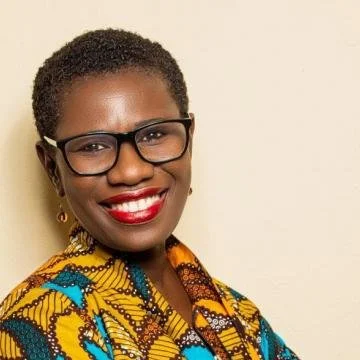
“Freetown belongs to everyone who has chosen this city as their home. All residents, including migrants, have a role to play in helping our city emerge from this pandemic more equitable, more sustainable, and more prepared for the future. The Mayors Migration Council’s Global Cities Fund is a crucial component to helping all Freetonians reach this goal”