
Supporting pastoralism and livestock mobility to foster social cohesion and improved biodiversity in Haho
Commune of Haho 1, Notsè
Mayor
Yawovi Sefenu
Start of Project
01/08/2018
End of Project
01/08/2019
© Mairie de la commune de Haho 1
Overview
Migratory movements of communities and animals towards the southern Sahel have developed since the 1970s, with the population growth in the Sahel and the subsequent crisis in Sahelian livestock production. These movements have been accentuated by the effects of climate change observed in the sub-region. Thus, countries such as Benin, Ghana, Côte d'Ivoire, and Togo, like the countries of the Sahel region, have become host or transit countries for the animals of nomadic herders. Due to the numerous assets offered by the human and natural environment of the Commune of Haho 1, it is a pole of attraction for several communities. As the cradle of the Ewe, the largest community in the south of Togo, Ghana, and Benin, Haho 1 is home to almost all the ethnic groups of the West African sub-region and others. The downside of these potentialities is that where there are so many human communities without great unifying elements, cohesion and cohabitation are not always easy, especially among nomadic and sedentary herder communities. This poses a critical challenge to integration and peaceful coexistence, and an opportunity for better social opening between the populations.
Haho 1 commits to strengthening the integration and social cohesion of migrant, displaced, and marginalised communities within the city. Haho 1 attracts many ethnic groups from surrounding rural areas, which sometimes leads to social tension and violence in the city. To address these tensions, Haho’s project activities are grouped into two components:
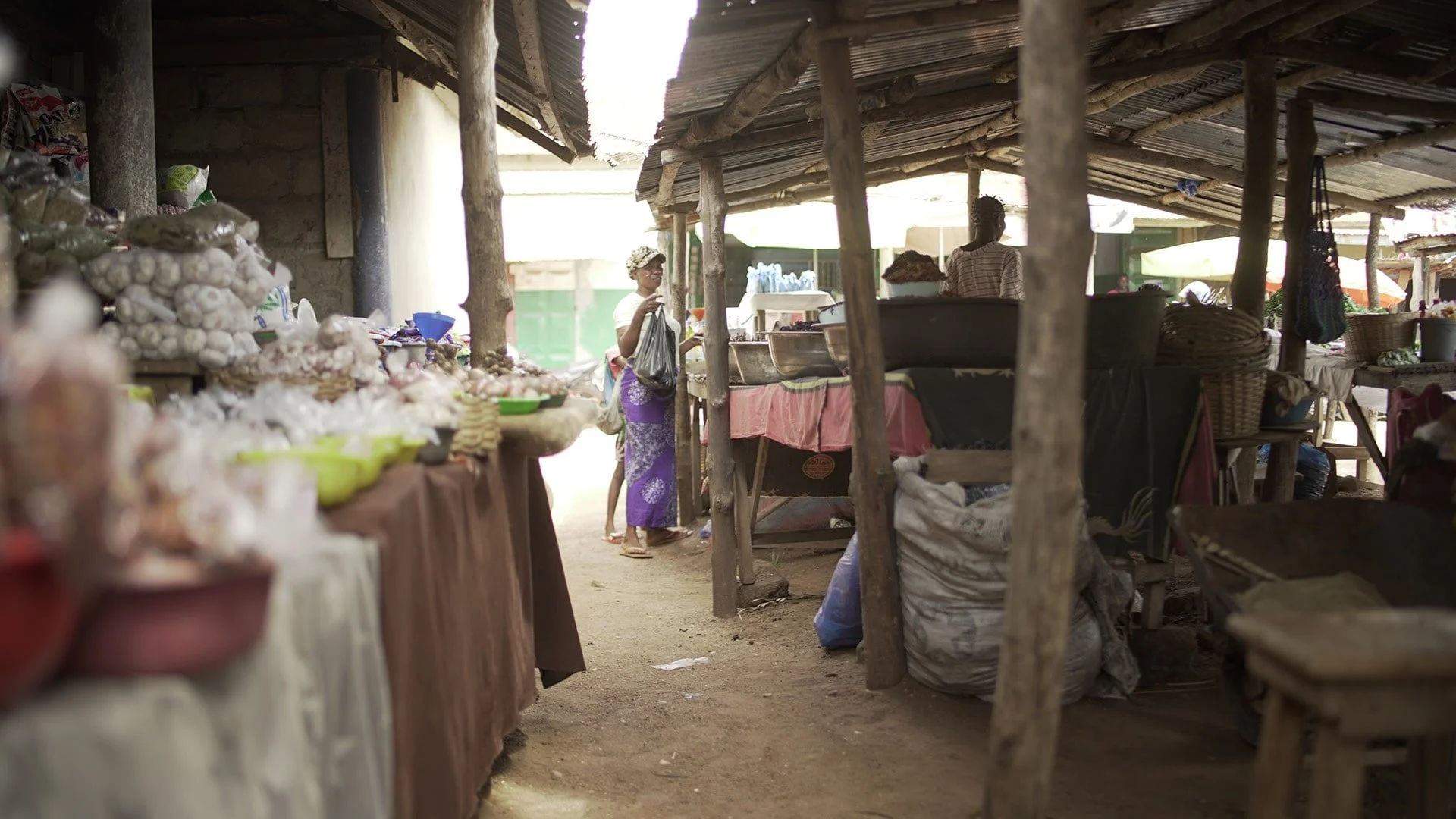
The first component aims to improve economic inclusion and market sustainability for pastoralists arriving in Haho 1, including the set-up of market management committees and coordination with other nearby city governments to manage 86 km of mobility corridors, grazing areas, and water ponds in the plateau region.
The second component involves the organisation of multi-stakeholder debates focused on farming and livestock mobility challenges in West Africa, with the participation of local authorities, state service providers, development organisations, herders, and farmers.
The project and its activities will make significant contributions to the integration and social cohesion between the different communities residing in the communal territory. The project evaluation will be carried out in three parts:
A baseline study at the beginning of the project to analyse and evaluate the level of integration and cohesion of the different communities as a result of the recommendations.
A mid-term evaluation to ensure that the project has achieved the desired results and to propose possible ways of improving the action.
A final evaluation to gather impressions, less conclusive experiences of the project, the level of satisfaction of the beneficiaries, and recommendations for future actions.
Lessons Learnt
In the Sahel region, cross-border mobility has become a strategy for adapting to climate change in order to produce, transport, and market livestock. These movements are not likely to stop, given the security issues in the Sahel and the effects of climate change.
The actions of previous projects—the training courses on the modules "Livestock trade in West Africa" and "Livestock mobility in West Africa", the actions of the National/Prefectural Transhumance Committee, pastoral developments, and agro-pastoral infrastructures—have brought relief to several communities, both indigenous and nomadic, helping to deconstruct the notion of "strangers" in the mentality of many people to enable them to live together, thereby mitigating instances of violence and deadly conflicts.
Nevertheless, vigilance must be maintained, and new projects must be carried out to preserve the past achievements and thus save many human lives.
Priority Objectives

Engaging in regional and multilateral partnerships and increasing city-to-city cooperation

Improving migration governance and forced displacement protection

Protecting those most vulnerable

Providing access to urban infrastructure, social services, and education,
regardless of status

Realising socio-economic inclusion

“Cultivons ensemble la Paix et la Cohesion autour de la migration”