
Regional Programme to Support Socio-Economic Inclusion in the West Region of Cameroon
West Region
Governor
Jules Hilaire Focka Focka
Start of Project
June 2026
End of Project
December 2030
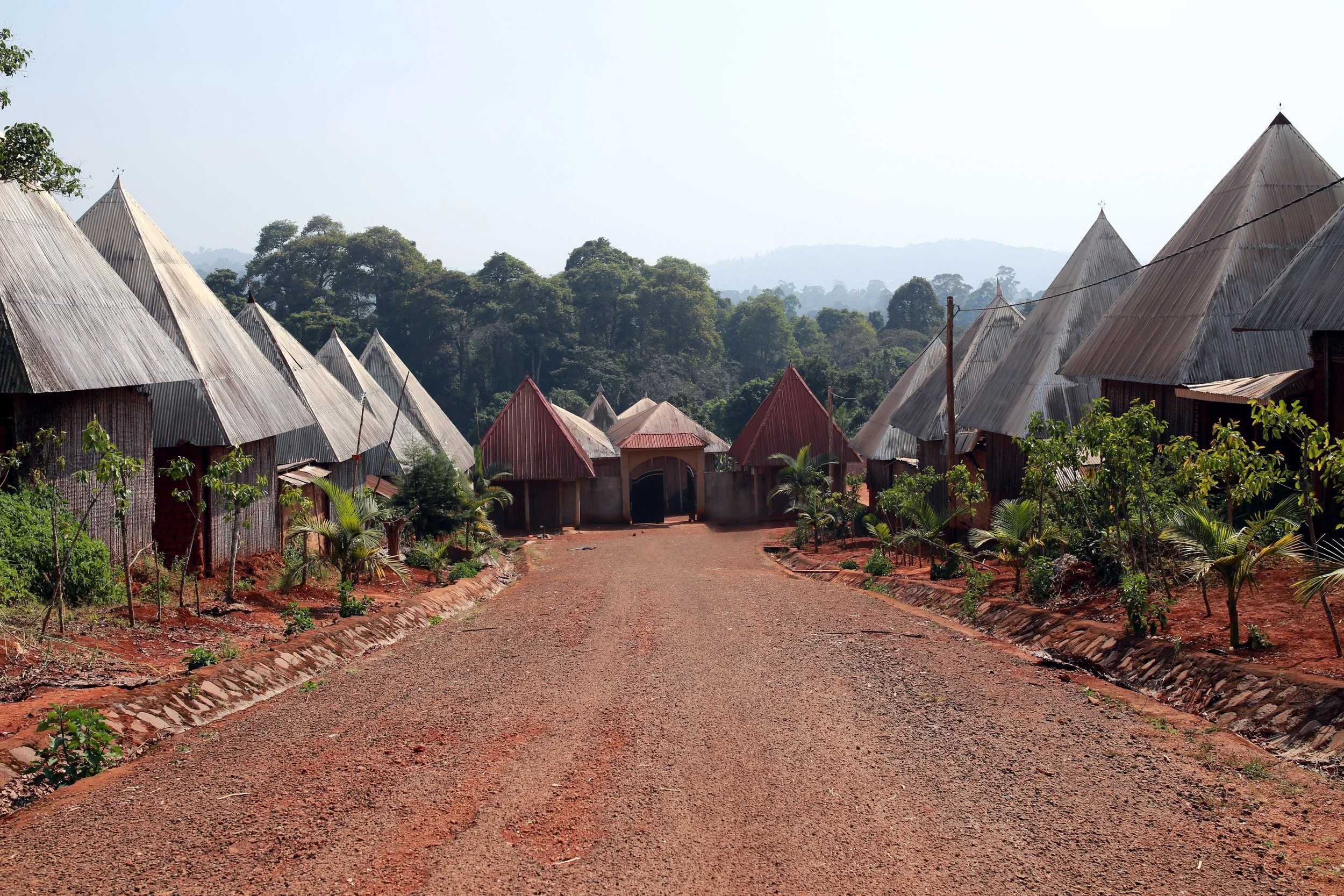
Photo: akturer/Shutterstock
Overview
The regional programme to support the socioeconomic inclusion of migrants and refugees aims to strengthen the resilience of internally displaced persons, refugees, and migrants in the West Region of Cameroon.
Led by the West Regional Council, in collaboration with municipalities, decentralized government services, UNHCR, IOM, and local CSOs, this programme implements concrete actions in the areas of vocational training, the creation of decent jobs, access to basic social services, and social cohesion between host communities and displaced populations.
The initiative is part of the effort to localize the Global Compacts (GCM and GCR) and directly contributes to the implementation of the Sustainable Development Goals (SDGs 1, 8, 10, and 11).
Expected Impact
The Regional Program to Support the Socio-Economic Inclusion of Migrants, Refugees, and Internally Displaced Persons in the West Region of Cameroon aims to significantly improve the living conditions of more than 2,000 direct beneficiaries—60% of whom are women and young people—by promoting their social and economic inclusion.
The expected outcomes of this initiative include:
The creation and launch of a regional reception and orientation center for migrants and refugees in Bafoussam, facilitating access to information, social services, and economic opportunities;
The funding and support of income-generating activities (IGAs) and inclusive community microprojects, contributing to the economic empowerment of beneficiaries;
The implementation of vocational training and workshops on entrepreneurship and local citizenship to strengthen the skills and employability of migrants and refugees;
Capacity building for municipalities and local authorities in inclusive migration management and territorial planning;
The reduction of inter-community tensions through awareness campaigns and participatory dialogue between local and displaced populations.
Monitoring and evaluation will be conducted using a quarterly dashboard featuring specific indicators:
Employment placement rate of beneficiaries;
Satisfaction of beneficiaries and local communities;
Number of funded projects and sustainability of activities;
Local impact in terms of social cohesion and community participation.
This approach will make it possible to measure the effectiveness and scope of the initiative while generating lessons that can be applied to future regional interventions.
Priority Objectives

Minimizing drivers of forced displacement, including climate change and environmental drivers

Protecting those most vulnerable

Engaging in regional and multilateral partnerships and increasing city-to-city cooperation
“To make the Western Region an attractive and dynamic economic hub, as well as a premier tourist and cultural destination where life is good.”