
Reducing the climate vulnerabilities of migrants in Accra
Accra Metropolitan Assembly
Mayor
Michael Kpakpo Allotey
Start of Project
07/01/2022
End of Project
06/30/2023
Overview
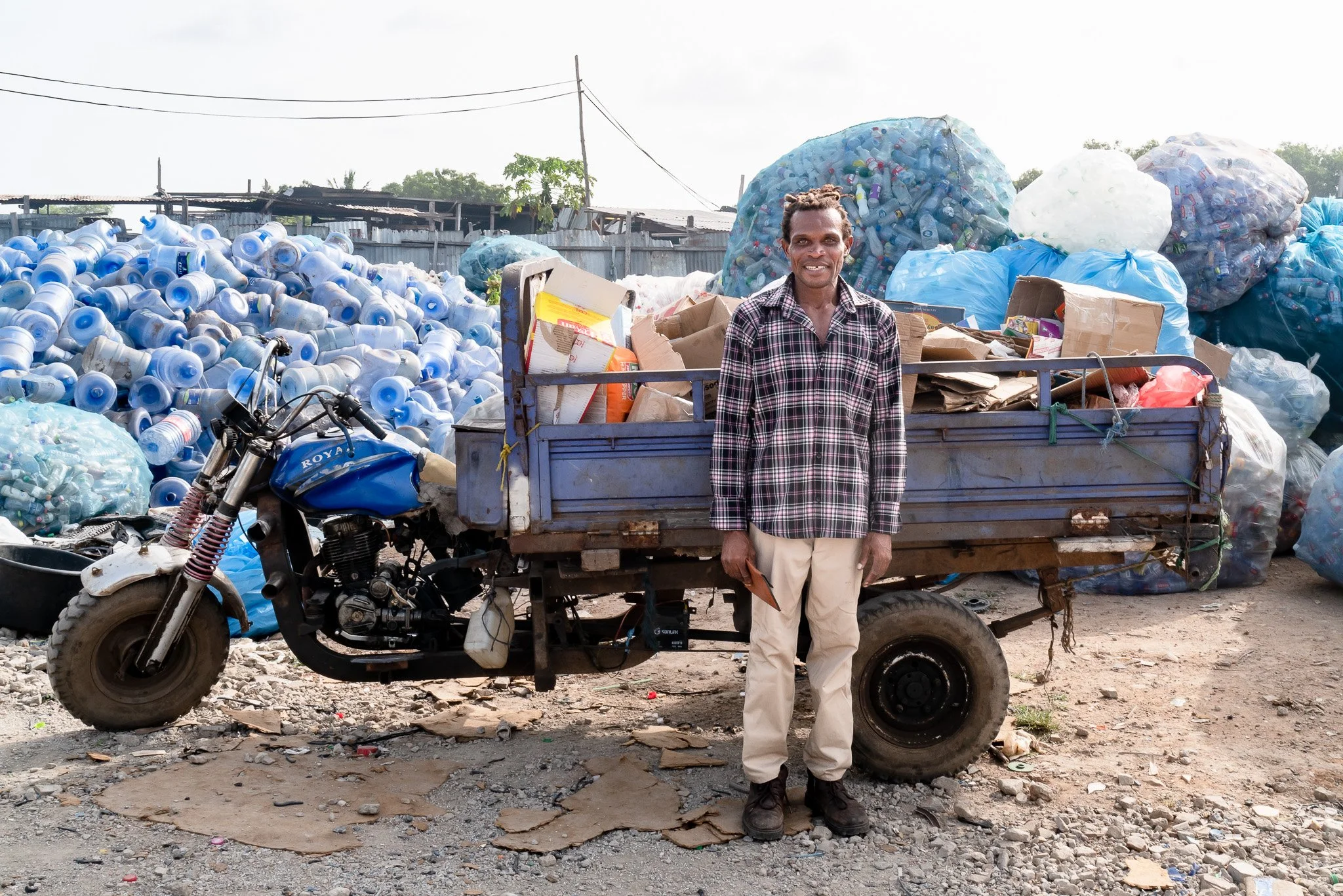
Through the Reducing Climate Vulnerabilities of Migrants project, the Accra Metropolitan Assembly (AMA) aimed to strengthen the resilience of migrant and displaced waste workers by improving livelihoods, access to basic services, and climate adaptation. Aligned to the AMA’s Inclusive Climate Action Program, this project sought to generate evidence on migrants’ presence in the city’s informal economy, strengthen this economy’s resilience to the impacts of climate change, and improve working conditions of migrants working in informal waste management. To achieve these goals, AMA implemented the following:
To collect and analyze disaggregated data on migrant profiles from three neighborhoods in Accra (Old Fadama, Cable and Wireless, and Shiabu), neighborhoods where many migrants reside and engage in informal waste management.
To facilitate financial inclusion and access to healthcare for migrants by connecting them to formal waste management employment opportunities.
To construct an infant care facility in one of the target neighborhoods, providing care for babies, toddlers, and young children while their parents and caregivers work nearby.
Expected Impacts
Accra’s project anticipated three key impacts:
Informal waste sector workers, including migrants, to find stable employment within Accra’s municipal solid waste management system.
Migrants to have improved living and working conditions.
Children of waste sector workers to have access to safe spaces and to benefit from a reduced exposure to public health risks.
Reported Impact [as of November 2025]
Supported by the Mayors Migration Council’s Global Cities Fund for Migrants and Refugees, and implemented with People’s Dialogue and C40 Cities, the initiative engaged 972 informal waste workers—including migrants, refugees, and IDPs—registering over 400 into formal cooperatives, enrolling them in the national health insurance scheme, and increasing job security by 15%.
The city also established a daycare centre serving over 20 children of waste workers, promoting women’s economic participation and safer childcare. Despite administrative disruptions and challenges in registering undocumented migrants, the project fostered trust between city authorities and migrant communities and positioned Accra as a leader in inclusive, climate-resilient urban governance.
Call to Local Action - Priority Objectives

Eliminating all forms of discrimination and promote evidence-based public discourse

Protecting those most vulnerable

Providing access to urban infrastructure, social services, and education regardless of status

Realising socio-economic inclusion