
Municipal Migration Governance Plan for Migrants and Refugees in Quilmes
Quilmes, Argentina
Mayor
Mayra Mendoza
Start of Project
01/01/2022
End of Project
12/31/2027
https://www.quilmes.gov.ar/
Overview
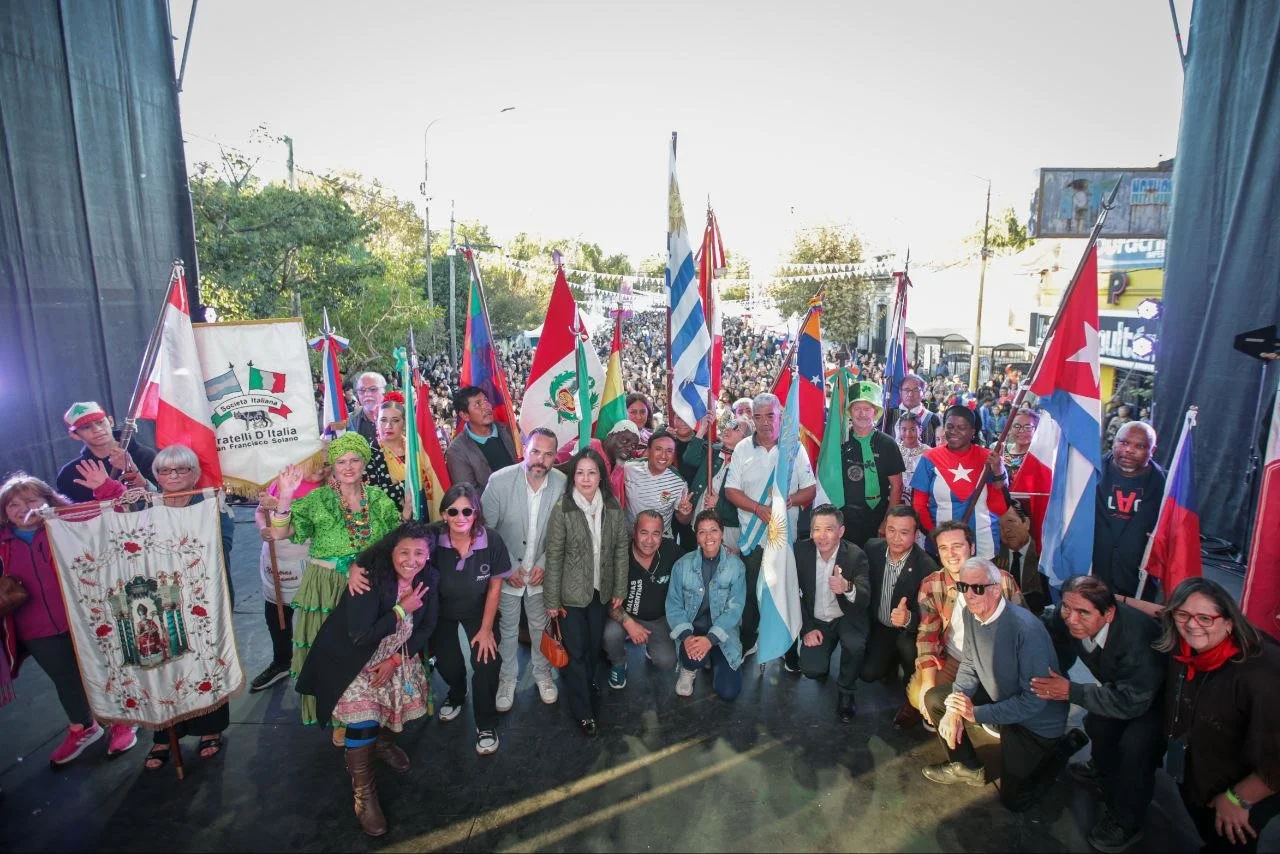
With the second phase of the Municipal Migration Governance Plan (2023-2027), Quilmes maintains its commitment to inclusive and intercultural migration governance, based on the city's identity as Argentina's first ‘plurinational and intercultural’ municipality. Building on the first phase (2019-2022), the plan focuses on access to rights, social and labour inclusion, institutional strengthening, and celebration of interculturality. Under the leadership of Mayor Mendoza, the plan connects municipal departments, the United Nations, civil society, the private sector, and the local community.
Reported Impact [as of November 2025]
Since 2019, more than 5,900 residents have received support from the Directorate for Migrants, and more than 2,000 migrants have obtained residency and accessed essential services. In 2024, Quilmes expanded its efforts by organizing Comprehensive Consular Days for Bolivia and Paraguay and launching the ‘Raíces’ programme to promote the economic inclusion of migrant women. Since then, more than 40 women entrepreneurs have participated in local fairs and professional training.
This work takes place in a national context of regressive political reforms on migration that criminalize and seek to restrict migrants' access to healthcare, which has hampered the development of a series of actions linked to the plan, such as the ‘regularization days’ that were organized together with the National Directorate of Migration.
Call to Local Action - Priority Objectives

Providing access to urban infrastructure, social services, and education regardless of status

Realising socio-economic inclusion

Improving migration governance and forced displacement protection