
Housing Assistance for Migrant and Displaced Families in Medellín
Medellín
Mayor
Daniel Quintero Calle
Start of Project
01/01/2021
Overview
Medellín is a recipient of the Global Cities Fund, the Mayors Migration Council’s response to the unmet needs of cities as they support migrants, refugees, and internally displaced people.
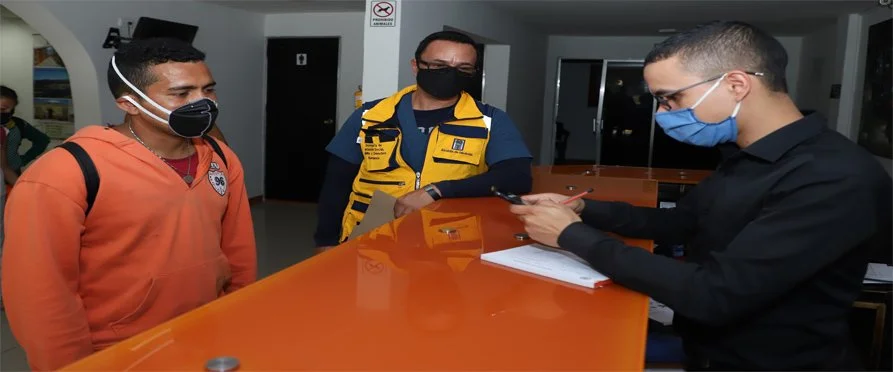
Medellín’s project expands an existing housing assistance program to benefit 400 migrant and displaced families with three months paid accommodation. At the same time, the project improves these families’ access to the city’s suite of social, legal, health, and employment services. The overall goal of the project is to provide a period of reprieve to those at risk of homelessness while leveraging that time to improve their self-reliance and wellbeing.
Following the success of the project, Medellín commits to:
Expand the strategy for temporary accommodation of migrants, refugees, returnees and host populations.
Develop a city government-wide strategy which centralizes the city government’s offering to migrants and refugees, including a specific focus on opportunities for durable solutions and local integration.
Raise awareness of city services specifically for migrant and refugee communities while ensuring that city secretariats reduce barriers to access.
Involve refugee and migrant associations in local decision-making processes, including allowing their participation in Community Action Boards.
Expected Impact
Medellín’s project has four key impacts:
Migrants and displaced people have greater access to emergency housing and a reduced risk of homelessness while enduring economic lockdown.
Migrants and displaced people have increased awareness of and access to Medellín’s robust education, health and employment services provided by the city government and its partners.
The Medellín Municipal Government strengthens its institutional offering of social services to a growing migrant and displaced community.
Medellín project's key innovations: Strengthening Alcaldía de Medellín’s collaboration with Global Cities Fund Strategic Partners: UN-Habitat, UCLG, IOM, and UNHCR.
Lessons Learned
This support strategy, in addition to providing rental assistance and psychosocial support, influences personal, family, community, and social dynamics by fostering recognition of others as individuals with their own identities and differences, fundamental rights, and shared responsibilities. This leads to empowerment strategies that promote autonomy, inclusion in institutional services, and foster solidarity and social cohesion.
The coordination of various governmental and nongovernmental entities has facilitated actions to promote the well-being and quality of life of beneficiary families.
Over the course of the care provided, support has been offered to process migration-related grief and other situations, enabling the mobilization of internal resources to overcome the circumstances faced by the family, demonstrating a shift from the immediate emergency assistance needed at the onset of the crisis to proactive family engagement.
This care strategy has enabled the creation of protective spaces and the identification of victimizing situations (domestic violence, gender-based violence, commercial exploitation of children and adolescents), which has led to the activation of referral pathways with the competent authorities for appropriate intervention.
Priority Objectives

Protecting those most vulnerable

Providing access to urban infrastructure, social services, and education regardless of status

Realizing socio-economic inclusion
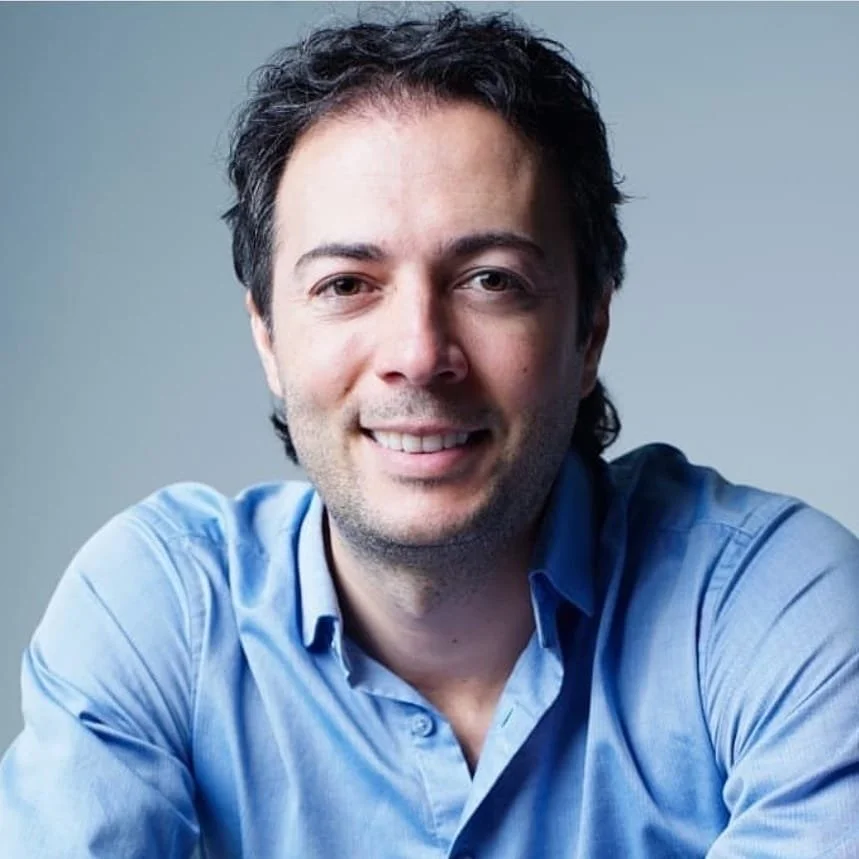
“In Medellín, we seek to positively impact the lives of migrant and displaced people and families, giving them an inclusive response in the pandemic. These actions allow us to continue building our Medellín Futuro plan.”