
Empowering Migrants and Refugees by Offering Inclusive Portuguese language Courses and Promoting Intercultural Dialogue in São Leopoldo
São Leopoldo
Mayor
Ary José Vanazzi
Start of Project
01/01/2021
End of Project
To be confirmed
Website
https://www.facebook.com/saoleopoldo?mibextid=ZbWKwL
Overview
São Leopoldo commits to implement "Teaching Portuguese as a Host Language” (PLAc, in Portuguese), a course designed for migrants and refugees to facilitate their knowledge of the Portuguese language and foster an understanding of the Brazilian culture.
The course seeks to empower migrants and refugees so they can actively participate in their host community and promotes opportunities for intercultural exchange among different nationalities. It was designed to bridge the students’ cultural heritage with the various aspects of Brazilian culture, including by actively listening to students, getting to know their stories and moving away from a perspective that portrays those seeking refuge solely as recipients of assistance.
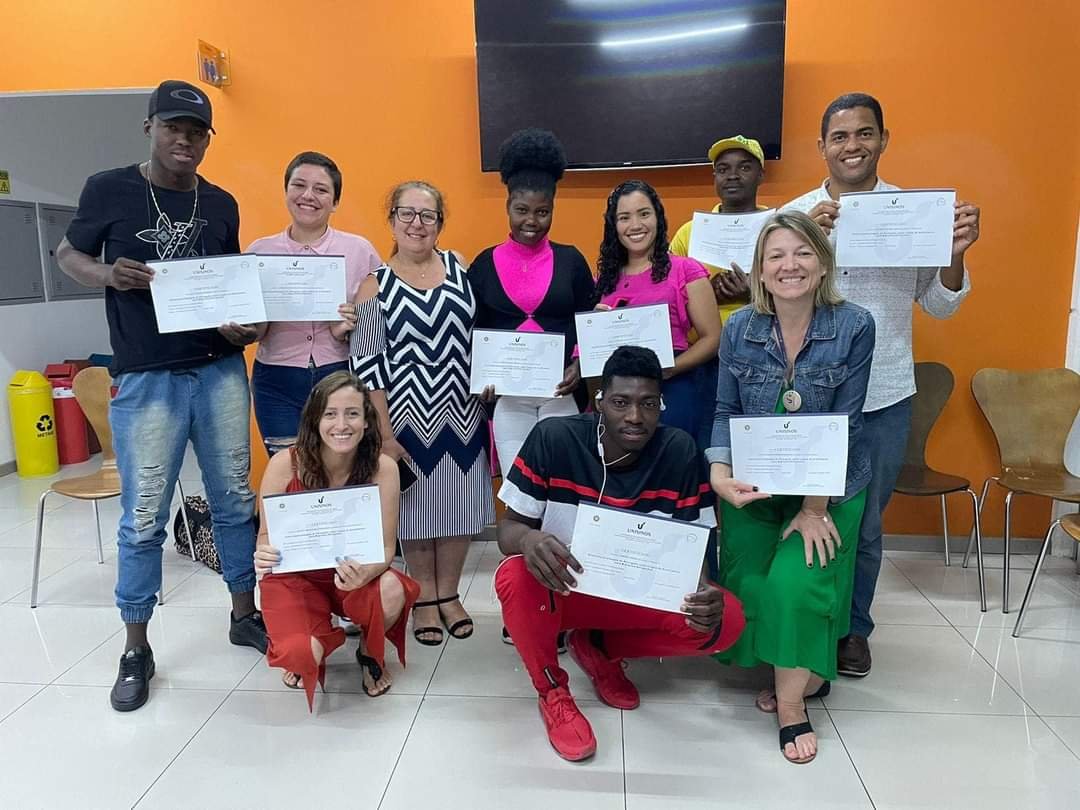
The course spans a total of 42 hours of in-person meetings. Upon course completion, students receive a certificate, fulfilling the requirement for proof of Portuguese proficiency as part of the Brazilian naturalization process.
Since its start in 2021, the course has reached over 50 migrants of different nationalities (Syrians, Lebanese, Venezuelans, Moroccans, Senegalese, and Haitians). São Leopoldo will expand this course so it can reach more people, by increasing the number of classes and providing recreational space so that students' children can accompany their parents.
Expected Impact
The “Teaching Portuguese as a Host Language” project (PLAc) has already reached more than 50 migrants, of different nationalities (Syrians, Lebanese, Venezuelans, Moroccans, Senegalese and Haitians) and since its implementation it has been modified so that it can reach more people.
The main expected impact is to provide linguistic and cultural knowledge so that migrants can achieve independence with a view to expanding their participation in the social practices of the context in which they live.
Other expected objectives are to increase the number of classes, provide recreational space so that students' children can accompany their parents, and expand the places where classes are held, so that they can be held in other teaching units, thus expanding their reach.
Priority Objectives

Protecting those most vulnerable

Realising socio-economic inclusion
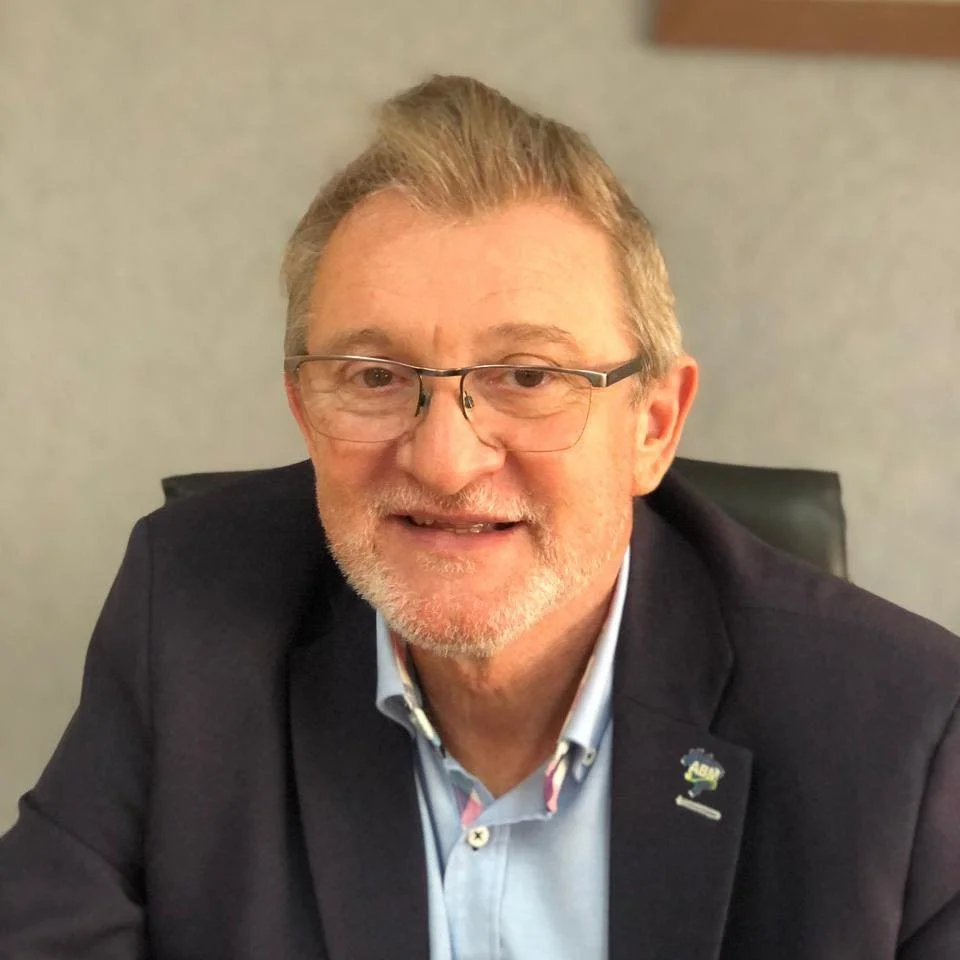
Ary José Vanazzi, Mayor